
Chordospartium
Chordospartium
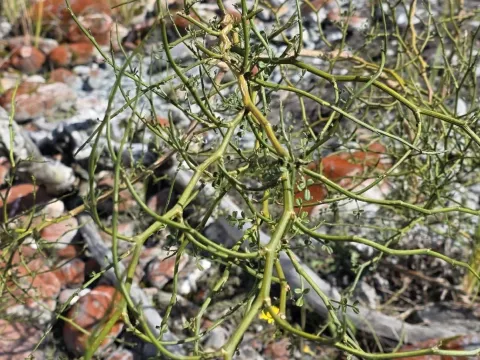
Chordospartium is a genus of rare shrubs belonging to the Fabaceae family, native to the South Island of New Zealand. Known as weeping broom, this plant is characterized by its leafless appearance, where the slender, drooping stems perform photosynthesis throughout the year.
What the section contains
Chordospartium
In its natural habitat, Chordospartium is typically found in rocky riverbeds and on alluvial fans. This adaptation dictates its primary agronomic requirement: excellent soil drainage is essential for survival and long-term health.
The plant thrives in full sun and open environments, provided the soil remains aerated. It is intolerant of heavy, compacted soils that retain moisture, as these conditions frequently lead to root decay and fungal infections.
Regarding climate, Chordospartium is adapted to cool to moderate temperatures. While it has some tolerance for light frost, growers should protect young specimens from severe winter conditions, especially in areas with high humidity.
Host plant usage is centered on ecological restoration and ornamental horticulture. It is a prized specimen for arid or rock-based garden designs where its unique architectural form and seasonal flowering can be showcased.
The primary threats to Chordospartium involve soil-borne pathogens, specifically phytophthora and other root rot fungi that proliferate in stagnant water. Proper irrigation management is the most effective preventative measure.
Wild herbivores, such as rabbits and deer, represent a severe threat to young plants in the wild and in exposed nursery settings. Physical fencing is often required to ensure the survival of younger stems.
Scale insects and aphids are common pests that may infest the stems. Their feeding can weaken the plant and serve as a vector for secondary infections, necessitating timely intervention with insecticidal soaps or horticultural oils.
Environmental stress, particularly sudden exposure to high humidity coupled with poor airflow, can encourage the growth of powdery mildew on the stems, potentially disfiguring the plant.
Weed competition is another significant threat during the establishment phase. Keeping the base of the plant free of dense vegetation is vital to ensure adequate light and airflow to the lower parts of the stem system.