
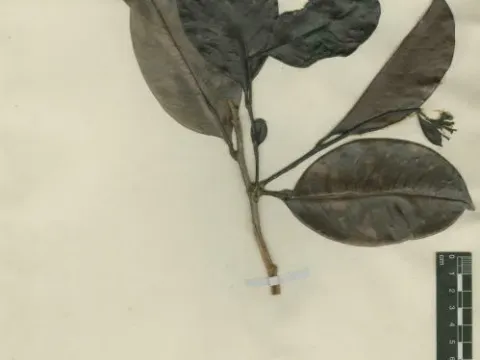
Acioa
Acioa
Acioa species are typically slow-growing trees, necessitating careful nursery management for successful propagation from seeds.
What the section contains
Acioa
Seeds lose viability relatively quickly after falling, so it is recommended to sow them immediately after extraction from the fresh fruit.
Using a well-draining, nutrient-rich potting medium in a controlled environment ensures the highest germination rates for this tropical genus.
Seeds should be placed in a warm, humid location with temperatures consistently maintained between +25 and +28 degrees Celsius.
Seedlings are best transferred to their permanent outdoor locations at the onset of the rainy season to facilitate rapid root establishment.
As a member of the Chrysobalanaceae family, Acioa thrives in tropical environments characterized by high humidity and consistent warmth throughout the year.
The plant requires deep, fertile soils that offer excellent drainage, as the species is prone to root health issues in waterlogged conditions.
Adequate moisture is essential; while the tree is adapted to its native ecosystem, it requires consistent irrigation during any dry spells to maintain productivity.
Partial shade is often necessary for young specimens to protect them from excessive leaf scorching caused by direct, intense tropical sunlight.
The trees are highly sensitive to frost and cold snaps, which means cultivation is strictly limited to frost-free tropical or subtropical regions.
Acioa trees produce drupe-like fruits that are valued for their edible pulp and, significantly, for the oil-rich seeds found within the endocarp.
The extracted oils have historical and potential modern applications in the food industry, as well as in traditional cosmetics and medicinal preparations.
The wood of certain species is notably dense and durable, making it a valuable byproduct for artisanal woodcraft in the regions where it is grown.
Crop yields vary based on environmental conditions and the maturity of the trees, with mature specimens providing the most consistent harvests annually.
Future agricultural potential includes the selective breeding of high-yielding varieties to maximize both fruit production and oil extraction efficiency.
Fungal pathogens represent the most significant threat to Acioa, especially in regions with high humidity and insufficient airflow within the canopy.
Root rot, driven by stagnant water or poor soil aeration, can rapidly compromise the health of mature trees, requiring proactive drainage management.
Leaf-eating insects and various tropical beetles are known to cause damage to foliage and ripening fruits, necessitating regular field monitoring.
Integrated pest management strategies, such as pruning for canopy aeration and prompt removal of diseased branches, are vital for crop protection.
Maintaining biological diversity within the plantation can also assist in naturally managing pest populations and reducing the need for synthetic chemicals.
Harvesting Acioa fruit is predominantly a manual process due to the delicate nature of the fruit skin and the need for careful handling to avoid bruising.
Timing the harvest is critical; collectors look for specific color changes on the fruit surface that indicate peak maturity and nutrient content.
Once picked, the fruit should be kept in cool, shaded environments to prevent rapid enzymatic decay, which is common in tropical harvested produce.
Post-harvest handling involves sorting the produce to remove any damaged units, ensuring that only high-quality fruit enters the processing chain.
The seeds are often cleaned and dried immediately after extraction from the pulp to stabilize them for storage or future oil pressing operations.