
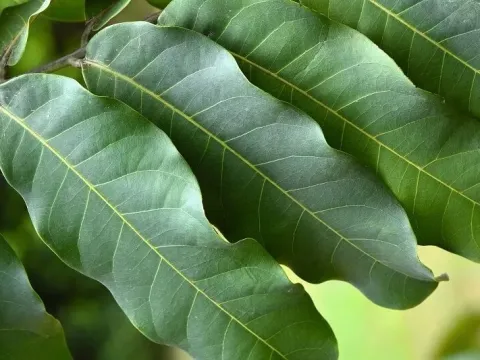
Chlorophora
Chlorophora
Chlorophora, scientifically categorized within the Moraceae family, is most widely recognized for its commercially significant species, Chlorophora excelsa, commonly known as Iroko or African teak. Native to the tropical belt of Africa, this species is a dominant hardwood in rain forests.
What the section contains
Chlorophora
The botanical structure of the tree is characterized by a straight, tall bole that can reach impressive heights. It is a light-demanding species, though it demonstrates shade tolerance in its early sapling stage, which helps it adapt to the competition for resources in dense tropical ecosystems.
Climate requirements for this culture are strictly tropical. It thrives in regions with consistent rainfall and high average temperatures, typically between 22°C and 30°C. Prolonged drought periods are detrimental, as the tree relies on a steady intake of water for its significant wood biomass production.
Soil composition plays a vital role in the plantation success of Chlorophora. The ideal environment consists of deep, well-drained, and nutrient-rich loamy soils. Excessive soil compaction or waterlogging is fatal to the root system, which requires significant aeration to support such a large canopy.
The economic utilization of this wood is diverse and highly valued. Due to its natural resistance to decay, termites, and pests, the timber is extensively used in high-quality furniture, boat building, and flooring. It serves as a sustainable, premium alternative to traditional teakwood.
The most significant pest affecting Chlorophora is the gall-forming psyllid, Phytolyma fusca. This insect infests the leaves and shoots, creating gall formations that can severely stunt the growth of young trees. Preventing and managing this pest is the primary focus of plantation management.
Additionally, fungal pathogens pose a threat, particularly in nurseries where humidity levels are kept high. Ensuring adequate spacing between trees and maintaining proper soil drainage are standard silvicultural practices used to mitigate the spread of diseases and maintain healthy, productive stands.