
Moquilea
Moquilea
Moquilea is a genus of trees and shrubs belonging to the Chrysobalanaceae family. Native primarily to the Neotropics, these plants are well-adapted to the high humidity and complex ecosystems of tropical rainforests.
What the section contains


Moquilea
Cultivation of Moquilea requires strict adherence to tropical conditions, specifically maintaining consistent high temperatures and moisture levels. They are not frost-tolerant and thrive best in protected environments if grown outside their native range.
The ideal soil for this genus is well-drained, nutrient-rich, and slightly acidic. While the plants require high moisture, waterlogging must be avoided to prevent root rot and other physiological issues related to oxygen deprivation.
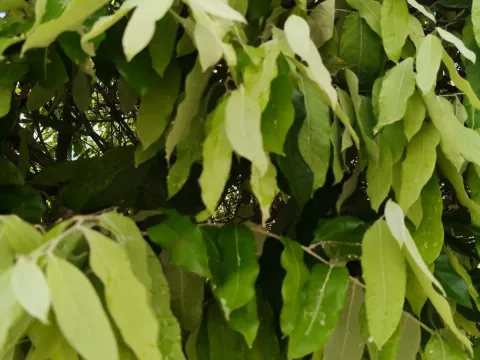
Morphologically, Moquilea species exhibit simple, alternate leaves with distinct venation and small, often inconspicuous flowers arranged in racemes or panicles. These plants contribute significantly to the local biodiversity of their native habitats.
Economic uses of Moquilea vary from local fruit consumption to the utilization of its dense timber for small-scale construction. Research continues into the potential for broader agricultural adoption of specific species within the genus.
Fungal pathogens are the primary concern for Moquilea, often exacerbated by high rainfall and lack of air circulation in dense forest stands. Maintaining adequate spacing and performing regular pruning is essential for disease mitigation.
Various tropical pests, including scale insects and mites, can negatively impact plant vigor. Integrated pest management strategies, focusing on physical removal and biological controls, are recommended for maintaining healthy orchards or agroforestry plots.