
Licania kunthiana
Licania kunthiana
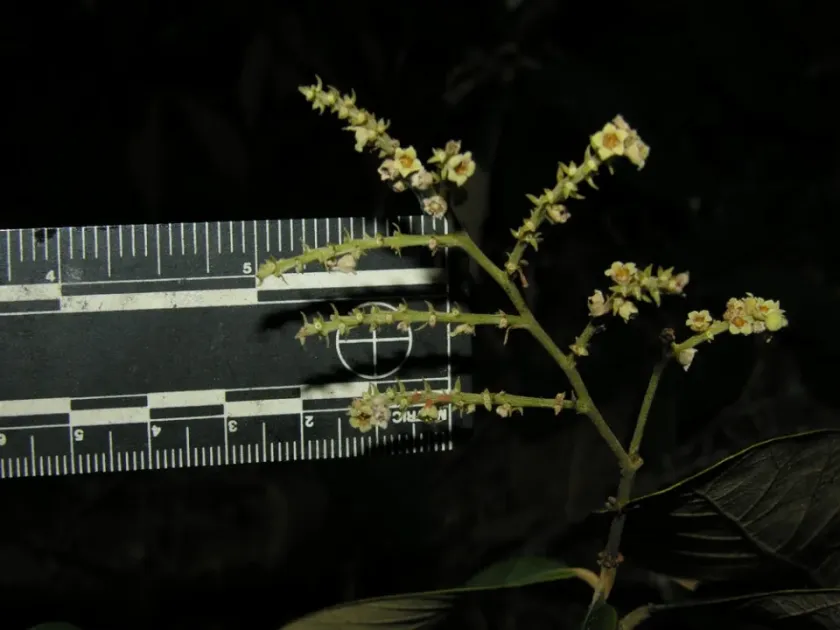
Description
Growing requirements
Licania kunthiana is a notable tropical tree species belonging to the Chrysobalanaceae family. As an evergreen woody plant, it is structurally adapted to thrive in humid tropical environments typical of its native range.
The tree originates from the tropical regions of South America. It is primarily found within the vast Amazon basin, where consistent heat and high rainfall provide the necessary conditions for its sustained growth throughout the year.
Cultivation of this species requires deep, fertile, and well-drained soils. Waterlogged soil conditions are detrimental to the root system, making site selection with adequate natural drainage a primary agronomic priority.
In terms of climate, Licania kunthiana demands warm temperatures, ideally ranging between 22 and 30 degrees Celsius. It does not possess significant frost tolerance, which restricts its cultivation to tropical and select subtropical zones.
From a socioeconomic perspective, the tree is utilized for its wood, which is valued for its durability in local applications. Furthermore, the species plays a role in forest ecosystems, and its potential for reforestation projects is currently being studied by botanists.
Main diseases and pests
Fungal infections represent the most significant threat to the plant, especially in high-humidity areas where air circulation is restricted. These pathogens can cause significant leaf damage and weaken the overall canopy health.
Wood-boring insects present a serious risk to mature trees, as their tunnels compromise the structural integrity of the trunks. Integrated pest management strategies, focusing on biological control, are highly recommended for plantation protection.
The presence of parasitic epiphytes and aggressive creeping vines can suppress young Licania kunthiana specimens. Regular pruning and maintenance of the forest floor are essential practices to ensure that the trees reach maturity without interference.
Soil-borne pathogens, including nematodes, may affect the root system, particularly in sandy soil types. Maintaining soil health through organic amendments helps improve the plant's natural resistance to these subterranean threats.
Overall, long-term productivity is maintained through periodic monitoring of tree health. Rapid identification of foliage discolorations or bark anomalies allows for targeted interventions, minimizing the impact of pests and diseases on the harvest.