
Silene repens
Silene repens
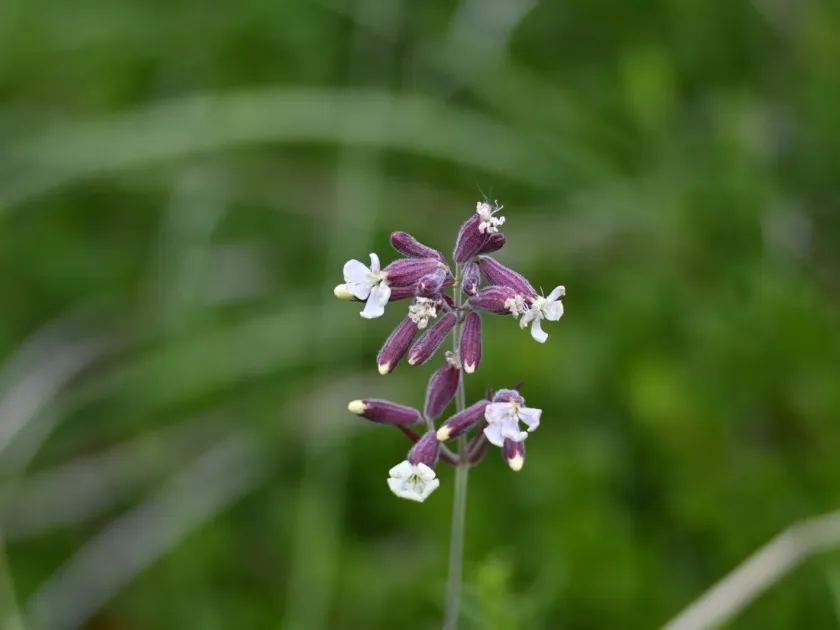
Description
Sowing dates
Silene repens, commonly known as the creeping catchfly, is a perennial herbaceous plant belonging to the Caryophyllaceae family. It is recognized for its extensive rhizomatous root system, which allows the plant to spread rapidly and form dense ground cover.
The sowing process is typically carried out in early spring when the soil temperature becomes stable. Due to the small size of the seeds, they should be sown shallowly, ideally no deeper than 1-2 centimeters, to ensure proper germination and emergence of the seedlings.
Site preparation is critical and should involve clearing the soil of perennial weeds that could compete with the slow-growing seedlings during the first stages of development. Incorporating organic matter into the soil prior to sowing will support the establishment of the root system.
Field cultivation can be conducted in rows to facilitate mechanical maintenance, such as weeding and soil loosening. This practice promotes better aeration of the soil, which is essential for the healthy growth and rhizomatous spread of the creeping catchfly.
The species exhibits strong ecological plasticity and is well-adapted to the climatic conditions of temperate regions. It possesses high cold resistance, which is characteristic of the plant's origin in the northern latitudes of Siberia and the Far East.
Growing requirements
Silene repens thrives in open, sunny locations with well-drained soils. Sandy and loamy soils are optimal for its growth, as they provide the necessary drainage that prevents waterlogging, which the plant does not tolerate well.
While the plant is relatively drought-tolerant once established, supplemental irrigation during prolonged dry spells during the active growing season can significantly improve biomass production and ensure a more abundant flowering period.
The plant is not overly demanding regarding soil pH, but it prefers neutral to slightly acidic conditions for its physiological processes. Maintaining adequate fertility levels in the soil, particularly phosphorus and potassium, encourages stronger rhizome development.
Proper aeration is essential for the plant's health. In areas with compacted soils, regular cultivation or loosening is necessary to allow the root system to expand and spread efficiently across the designated area.
In agricultural practice, Silene repens is highly valued as a nectar source for bees and as a tool for soil conservation. Its ability to create a thick root network makes it an excellent choice for stabilizing slopes and protecting vulnerable soil against water and wind erosion.
Main diseases and pests
Silene repens is generally resistant to many common agricultural diseases, provided that the soil conditions are optimal. However, in poorly drained or overly humid conditions, the plant may be susceptible to root rot and various fungal leaf spot diseases.
Among the potential pests, various types of beetles and caterpillars can cause damage to the foliage and flower buds, negatively impacting both the decorative value of the plant and its seed production. Monitoring during the budding stage is crucial for early detection.
Aphids can occasionally infest young shoots, drawing vital nutrients from the plant. While infestations are rarely fatal, they can weaken the overall health of the plant and should be managed using safe, biological control methods to protect beneficial insects.
Preventative measures for diseases include maintaining adequate spacing between plants to ensure good airflow and selecting well-draining sites. Avoidance of excessive nitrogen fertilization is also recommended, as it can make the plant more attractive to certain pests.
Integrated pest management, which combines sound agricultural practices with periodic inspections, is the most effective approach to ensuring the health and productivity of Silene repens stands without relying heavily on chemical pesticides.