
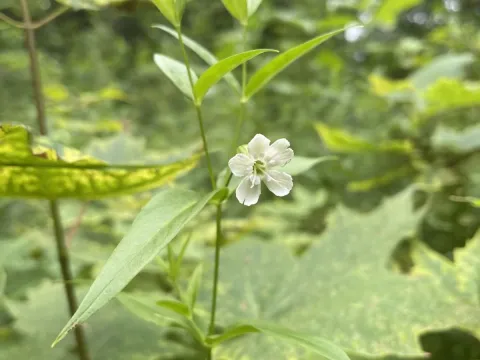
Snowy campion
Silene nivea
Snowy campion (Silene nivea) is a perennial herbaceous plant belonging to the Caryophyllaceae family. Naturally, it is found in the woodlands and floodplains of North America, where it thrives in moist, shaded environments, developing distinct botanical features suited for such habitats.
What the section contains
Snowy campion
The plant requires fertile, well-draining soil to achieve optimal growth. While it shows a high degree of adaptability, it performs best in soils rich in organic matter. Maintaining soil structure is essential for root development, especially in intensive agricultural or horticultural garden settings.
Regarding climate, Silene nivea prefers moderate temperatures and is generally cold-hardy. It is well-suited for temperate zones, though it requires protection from extreme drought. Consistent moisture levels are crucial, particularly during the peak of the growing season when the plant forms its foliage.
Agricultural management includes site selection that balances light availability. While the species can tolerate some sun, excessive heat can stress the plants; therefore, partial shade or locations with protection from strong midday sun are recommended for maintaining plant health.
Maintenance involves regular weeding to minimize competition during the establishment phase. Once the plants have formed established clumps, they provide good ground cover. Supplementing soil fertility with balanced organic fertilizers during early spring can significantly boost vegetative development.
The primary threats to Silene nivea include fungal pathogens, particularly those triggered by stagnant moisture and poor air circulation. Leaf spots and root rot are common issues in overly wet conditions, requiring strict adherence to spacing protocols during the initial planting.
Pests that frequently target the species include aphids, which may colonize flower buds and young growth. Slugs and snails can also cause significant damage to the foliage during humid periods, making regular monitoring and appropriate integrated pest management strategies necessary for healthy growth.