
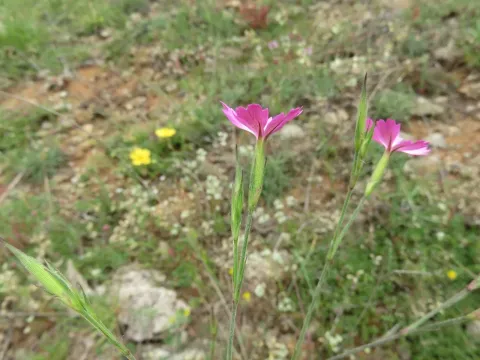
Corymbose pink
Dianthus corymbosus
Dianthus corymbosus, known as the corymbose pink, is a herbaceous perennial belonging to the Caryophyllaceae family. This species is widely recognized for its elegant appearance and is commonly used in rock gardens and formal flower beds.
What the section contains
Corymbose pink
Propagation typically begins with seeds sown in early spring, usually indoors or in a greenhouse environment. Using a sterile seed-starting mix ensures the best germination rate while minimizing the risk of damping-off disease.
Seeds should be thinly covered with a light layer of vermiculite and kept at a temperature of approximately 20 degrees Celsius. Consistent moisture is required, but it is essential to avoid waterlogging the soil during the germination phase.
Once the seedlings develop their first true leaves, they should be transplanted into individual pots. This practice encourages the development of a robust root system, which is vital for the plant's future growth and stability.
Hardening off the young plants is a crucial step before they are moved to the outdoors. Gradual exposure to sunlight and cooler night temperatures over a week helps the plants acclimatize to their permanent growing location.
This plant thrives in full sun exposure. It requires at least six hours of direct sunlight daily to produce vibrant flowers and maintain its dense, compact habit, which is characteristic of the species.
The ideal soil for Dianthus corymbosus is well-draining, sandy-loam, and slightly alkaline. Improving soil structure with sand or fine gravel is highly recommended to prevent stagnant water, especially in clay-dominant soils.
Adequate air circulation around the plants is essential for maintaining health. Planting them in a location with good natural airflow significantly reduces the likelihood of foliage-related fungal infections during humid spells.
Watering should be done judiciously, focusing on the base of the plant. Allow the top layer of soil to dry out between waterings to prevent root stress and rot, which are the primary enemies of this delicate perennial.
Fertilization should be moderate. A balanced, slow-release fertilizer applied in early spring is usually sufficient to support the plant throughout the growing season without promoting excessive, weak succulent growth.
Fungal diseases like rust and leaf spots are common issues if the plant is grown in unfavorable conditions. These pathogens are most active during periods of high humidity and prolonged dampness of the foliage.
Pests such as spider mites and aphids can become a nuisance during the hot, dry months of the summer. These insects feed on the plant sap, often causing stunting and potential flower abortion if left untreated.
Integrated pest management is the preferred approach for control. Regularly inspecting the underside of the leaves and maintaining general garden hygiene goes a long way in preventing large-scale infestations.
If chemical intervention becomes necessary, use targeted pesticides according to the manufacturer's instructions. Always apply treatments during the cool parts of the day to avoid leaf burn and protect beneficial pollinators.
- Regular monitoring for signs of infestation.
- Ensuring proper spacing for better air circulation.
- Removing debris to prevent disease overwintering.