
Corrigiola telephiifolia
Corrigiola telephiifolia
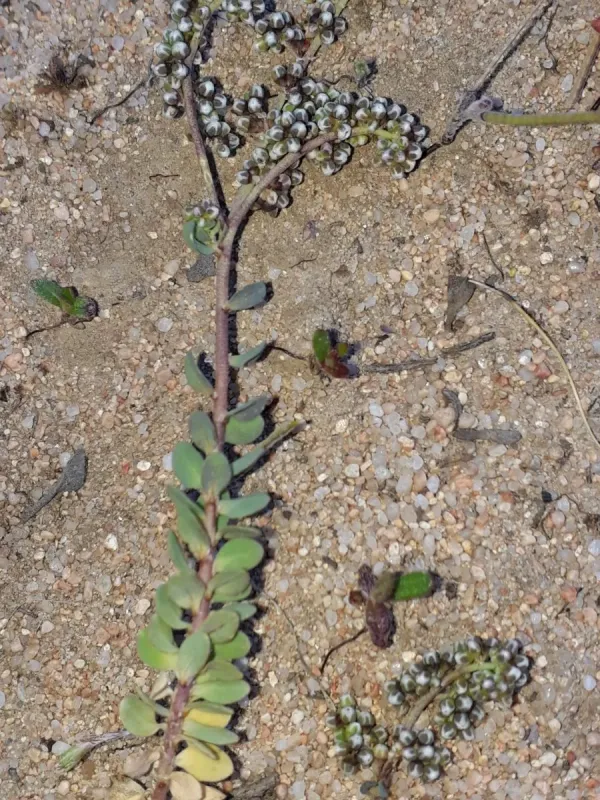
Description
Sowing dates
Corrigiola telephiifolia is a herbaceous perennial that requires careful site preparation to ensure successful establishment. Planting is best performed in early spring when soil temperatures consistently reach 10 degrees Celsius, allowing the plant to develop a strong root system before the onset of high summer heat.
Seed depth is a critical parameter; seeds should be sown no deeper than 1 to 2 centimeters to ensure adequate germination. A fine, firm seedbed prepared through repeated harrowing is recommended for uniform emergence across the field.
Depending on the intended use, row spacing is typically kept between 25 and 40 centimeters to facilitate mechanical weed control and maintain airflow. Proper spacing prevents intra-species competition and minimizes the risk of humidity-related diseases.
In regions with mild winters, autumn sowing is possible, providing the seeds with natural cold stratification. This timing often results in earlier spring growth, although it requires careful management of winter weeds during the dormant period.
Regardless of the season, high-quality, certified seeds should be used to guarantee vigor and purity. Watering the site immediately after sowing is essential to trigger the germination process, especially if topsoil moisture levels are low.
Growing requirements
Belonging to the Caryophyllaceae family, Corrigiola telephiifolia thrives in well-drained soils, preferably with a sandy or gravelly texture. It demonstrates a notable tolerance for poor soil conditions, making it suitable for areas where more sensitive crops might struggle.
Full sun exposure is paramount for the vigorous growth of this species. Partial shade can lead to leggy, weaker growth and a significant reduction in biomass production, which is undesirable for commercial yield targets.
The plant is highly drought-tolerant once established, thanks to its extensive and deep taproot system. It can survive extended periods of low rainfall, maintaining physiological activity even under moderate moisture stress.
While tolerant of various pH levels, a range between 6.0 and 7.5 is ideal. The plant does not require high levels of fertilization, but a moderate application of phosphorus at the beginning of the growing season can stimulate better root branching and overall resilience.
Soil structure should favor aeration to prevent root suffocation. In heavy clay soils, the addition of organic matter or inorganic conditioners is necessary to improve drainage, as prolonged waterlogging is a primary stress factor for the species.
Main diseases and pests
Fungal pathogens represent the most significant threat to the crop, particularly under conditions of poor drainage and excessive humidity. Root rot and dampening-off are common issues that can cause rapid decline in plant density if not managed correctly.
Powdery mildew may manifest as a white film on leaves during humid, stagnant periods of the growing season. Maintaining proper plant density and ensuring good field ventilation are the most effective preventive measures against such fungal outbreaks.
Insect pests such as aphids or soil-dwelling larvae can negatively affect plant vigor by sucking sap or damaging root tissues. Regular monitoring and the application of integrated pest management strategies help to keep pest populations below the economic threshold.
Weed competition is a significant concern during the early establishment phase. Manual or mechanical weeding between rows is required until the crop reaches sufficient canopy closure to shade out opportunistic weeds.
Effective hygiene practices, such as removing crop residues after harvest and avoiding planting in fields with a history of soil-borne pathogens, are essential for long-term production sustainability. Crop rotation cycles of at least three years should be strictly observed.
Harvesting
Harvest timing is determined by the specific goal of the crop, whether for fodder, biomass production, or seed harvesting. For optimal biomass quality, the crop should be harvested just before the onset of the flowering stage, when nutrient content in the foliage is at its peak.
Mechanical harvesting is generally performed using standard forage equipment. The cutting height should be set to avoid damaging the crown of the plant, as this is crucial for the perennial species to regrow efficiently after cutting.
If the goal is seed production, harvest must be delayed until the seed pods are fully mature and have turned brown. Harvesting too early results in poor seed viability and higher moisture content, which complicates post-harvest drying and storage.
Post-harvest management involves drying the harvested material in well-ventilated conditions to prevent mold growth. Moisture levels should be monitored closely to ensure safe storage of the forage or seeds for future use.
In managed systems, multiple cuts per season may be possible under favorable growing conditions and adequate soil moisture. Proper fertilization after each harvest cycle supports the plant's ability to regenerate and maintains the longevity of the stand.