
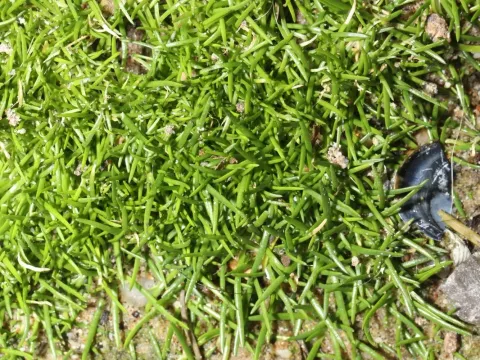
Pearlwort
Sagina
Sowing Pearlwort seeds is typically performed in late winter or early spring using seed trays, as the seeds are extremely small. When used as a groundcover, propagation via division or cuttings is preferred for faster and more uniform establishment.
What the section contains
Pearlwort
Seedlings should be transplanted into open ground after the risk of frost has passed, maintaining a spacing of approximately 10–15 cm between plants. This distance allows for optimal growth and the development of a lush green mat.
The species demonstrates high growth vigor, allowing it to cover available space quickly under favorable conditions. While direct sowing in the ground is possible, it is less efficient due to the slow initial development of the seedlings.
The optimal time for vegetative propagation is spring or early autumn when humidity levels are higher and temperatures are moderate. These conditions promote better root establishment and prevent the delicate root systems from drying out.
Maintaining constant soil moisture during the first two weeks post-transplanting is critical for the plant's survival. This period determines the density and overall health of the carpet as it matures.
Pearlwort belongs to the Caryophyllaceae family and is a perennial herbaceous plant characterized by fine, awl-shaped leaves. It thrives in sunny or semi-shaded locations with moderately moist soil.
The plant is not highly demanding regarding substrate composition, but it performs best in loose, well-draining loams or sandy soils. It is essential to prevent waterlogging, which can lead to root decay and significant loss of aesthetic appeal.
This culture features excellent cold hardiness, making it suitable for various climatic zones. During dry spells, regular irrigation is necessary because the shallow root system is highly sensitive to moisture deficiency in the topsoil.
To maintain a dense carpet, periodic application of balanced mineral fertilizers is recommended at the beginning of the growing season. Excess nitrogen should be avoided to prevent leggy growth and maintain the plant's compact structure.
The plant handles light foot traffic well, making it a popular choice for paving joints, rock gardens, and alpine landscapes. Its ability to create a thick mat effectively suppresses weed germination and competition.
The primary threats to this culture are fungal diseases caused by excessive humidity and poor air circulation. Root rot can quickly destroy large patches of the planting if water is allowed to stagnate.
Slugs and snails are the most significant pests, as they feed on the succulent parts of the plant. Regular monitoring and the implementation of organic traps are recommended to mitigate damage as soon as it is detected.
Under conditions of high ambient humidity, powdery mildew may develop, requiring treatment with appropriate fungicides. Strict adherence to irrigation schedules helps lower the probability of such infections.
Aphids rarely infest Pearlwort, but in cases of massive outbreaks, systemic insecticides may be necessary. It is important to observe the plants for signs of wilting or loss of turgor pressure as an indicator of stress.
Preventative measures include avoiding overly dense plantings and ensuring adequate site ventilation. Regular removal of surrounding weeds also minimizes the potential for pathogen migration and competition for nutrients.