
Chalk pink
Dianthus cretaceus
Description
Growing requirements
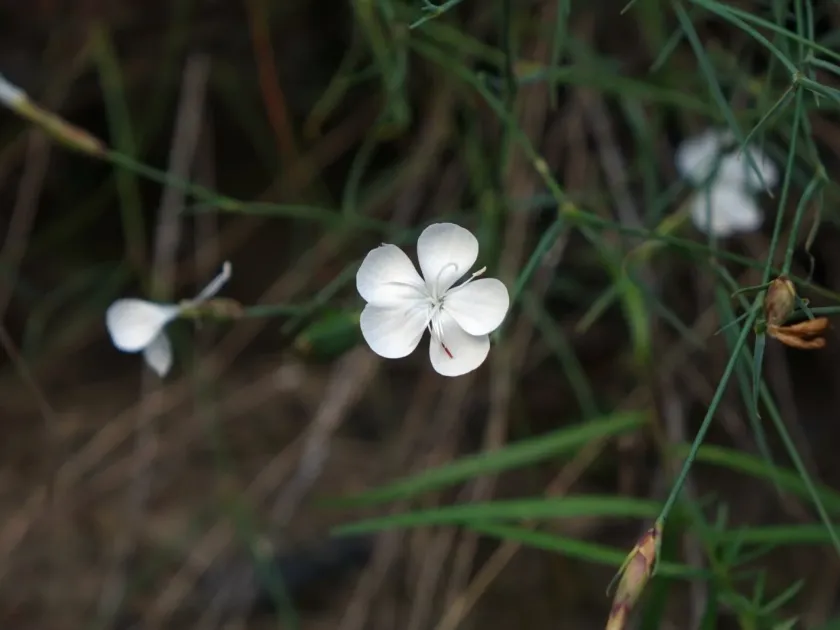
Chalk pink (Dianthus cretaceus) is a perennial herbaceous plant belonging to the Caryophyllaceae family. This species is a classic calciphile, evolved to thrive exclusively on chalk outcrops, limestone slopes, and gravelly substrates where other plants struggle to survive.
The botanical characteristics of this plant include slender, linear leaves often covered with a glaucous bloom, which serves to reduce transpiration. The stems form dense, compact mats, an adaptation that helps the plant anchor itself into the shifting and arid debris of chalk hills.
Its natural range is limited to the steppe regions of Eastern Europe, specifically along river basins rich in chalk deposits. The species is highly adapted to high pH levels and poor, mineral-rich soils, making it a specialist of highly alkaline environments.
In cultivation, success depends on replicating these harsh conditions. Gardeners must provide excellent drainage, as the species is highly susceptible to root rot if moisture lingers in the soil. A gritty, lime-rich mix is essential to simulate its natural habitat.
Regarding its utility, Dianthus cretaceus is primarily valued by rock garden enthusiasts for its delicate, pale flowers and tidy growth habit. Beyond the garden, it is an important subject for conservation biology, representing the specialized flora that occupies sensitive chalkland ecosystems.
Main diseases and pests
The main threats to the chalk pink involve habitat destruction, such as limestone quarrying and industrial chalk extraction. Because the species requires specific geological conditions, it cannot easily migrate to new areas once its original environment is disturbed.
Pathological threats include root and crown rot, which are almost always exacerbated by improper soil drainage or excessive humidity. Ensuring proper airflow and preventing soil compaction are critical preventative measures for maintaining healthy specimens.
Common insect pests include aphids and various moth larvae, which can damage the foliage and developing flower buds. Integrated pest management strategies, focusing on physical removal or specific biological controls, are preferred over broad-spectrum chemicals.
Competition from invasive plant species is a significant challenge. As a slow-growing specialist, the chalk pink is easily crowded out by opportunistic weeds when the natural disturbance regime of the chalk hillside is altered or suppressed.
Climate change and shifts in local precipitation patterns also threaten the plant, as it is physiologically tuned to specific water availability levels. Monitoring the status of wild populations is essential, as the species is often categorized as rare or endangered in many regions.