
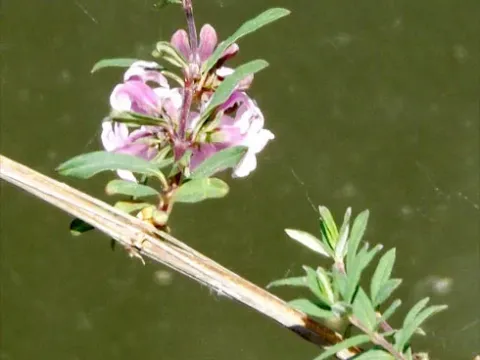
Tibetan honeysuckle
Lonicera thibethica
Tibetan honeysuckle (Lonicera thibethica) is a deciduous shrub belonging to the Caprifoliaceae family. Originating from the high-altitude regions of the Himalayas and Tibet, this plant is well-adapted to cool mountain climates and rocky terrain.
What the section contains
Tibetan honeysuckle
This species thrives in well-draining soil that is rich in organic matter. While it is quite adaptable, it performs best in locations that provide plenty of sunlight. It is essential to ensure that the site is sheltered from harsh, drying winds to protect the foliage.
In terms of climate requirements, Tibetan honeysuckle is noted for its excellent cold tolerance. It prefers cool summer temperatures and sufficient moisture, making it an ideal choice for temperate regions where other species might suffer from excessive heat stress.
Cultural practices should include regular mulching to maintain soil moisture and suppress weed growth. A balanced fertilizer application in early spring supports healthy growth cycles and promotes dense, lush foliage throughout the growing season.
The primary use of Lonicera thibethica is decorative. It is frequently incorporated into rock gardens, borders, or utilized for erosion control on slopes due to its robust root system and compact, spreading habit.
Powdery mildew is the most common fungal threat, typically appearing during periods of high humidity and poor air circulation. Proper spacing between individual plants is necessary to minimize the risk of infection.
Aphids are the most frequent insect pests, targeting new growth and causing curling of the leaves. Manual removal or the application of insecticidal soaps is usually effective in managing small infestations.
Mites may also pose a threat during hot and dry spells, sucking sap from the foliage and causing discoloration. Regular irrigation during dry periods can help the plant maintain its natural resistance to such pests.
Root rot caused by waterlogged soil is a significant threat that can lead to sudden plant death. Ensuring that the planting site has excellent drainage is critical to the long-term success and health of the shrub.
Sanitation practices, such as pruning damaged branches and removing dead plant material, are essential. This approach reduces the environment for pathogens to survive and ensures the shrub remains vigorous and aesthetically pleasing.