
Wahlenbergia caledonica
Wahlenbergia caledonica
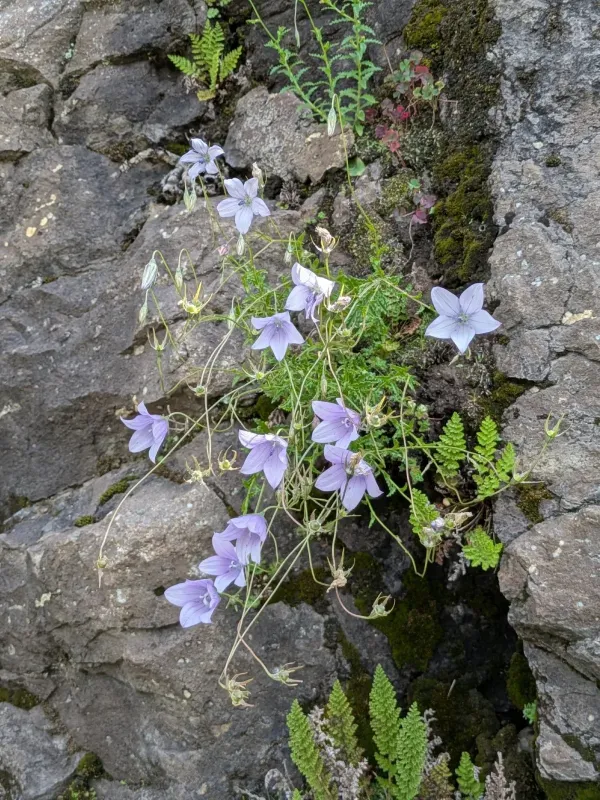
Description
Growing requirements
Wahlenbergia caledonica is a distinct botanical species belonging to the Campanulaceae family. Originating from the unique ecological niches of New Caledonia, this plant is recognized for its specialized adaptation to localized soil and microclimatic conditions.
The culture requires a well-draining substrate to maintain its root health. Being a member of the bellflower family, it thrives best in environments that mimic its natural habitat, which typically includes stony or loose soil compositions with adequate moisture availability.
Climate requirements involve moderate temperatures, avoiding extreme heat or freezing conditions. It is essential to provide filtered sunlight, as intense exposure can dehydrate the foliage and inhibit the development of its characteristic floral structure.
Botanically, it features a low-growth habit with delicate, bell-shaped flowers that bloom under optimal conditions. The plant's morphology is adapted for resilience in its native landscape, necessitating careful management when moved to controlled horticultural environments.
The primary utility of Wahlenbergia caledonica lies in its role as a botanical specimen and a candidate for niche ornamental gardening. Its scarcity makes it highly valued by plant enthusiasts and researchers interested in the conservation of island flora biodiversity.
Main diseases and pests
The most common threats to this species include soil-borne fungal pathogens such as Pythium or Phytophthora. These conditions are usually exacerbated by improper irrigation management or lack of air circulation in the growing medium.
Insect pests including aphids and spider mites can be problematic if the plant is grown in low-humidity environments. Integrated pest management, focusing on early detection and biological control, is recommended for the preservation of this delicate species.