
Wahlenbergia capensis
Wahlenbergia capensis
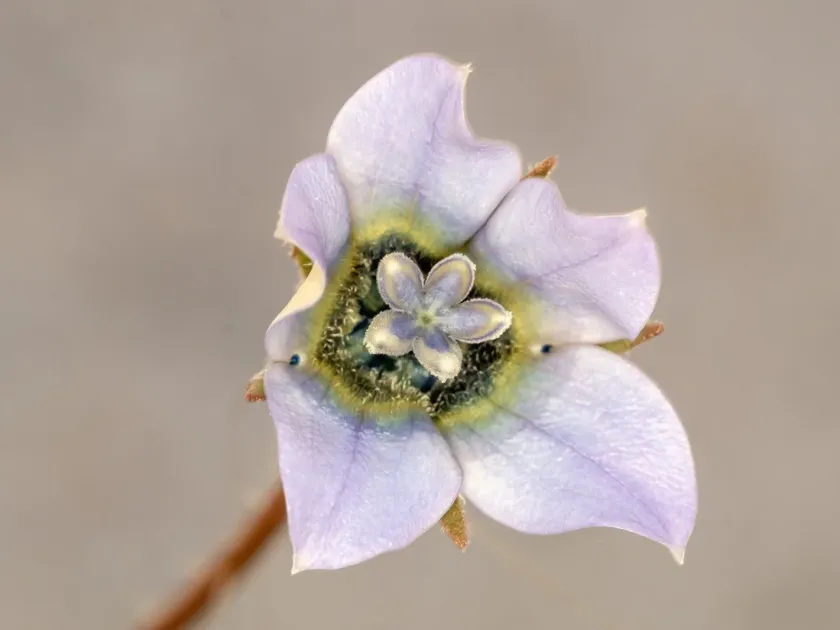
Description
Sowing dates
Wahlenbergia capensis is an annual plant that is primarily propagated by seeds. Sowing is typically conducted in early spring, either in a greenhouse or directly into prepared soil once the danger of frost has passed.
The seeds are exceptionally small and should be sown on the surface of a fine, moist potting mix. They require light to germinate effectively, so covering them with soil is generally not recommended.
Maintaining a steady temperature between 18 and 20 degrees Celsius is crucial for consistent germination. Covering the seed trays with clear plastic or glass helps to retain humidity and prevent the soil surface from drying out prematurely.
After the seedlings develop two or three sets of true leaves, they should be transplanted into larger containers or garden beds. Careful handling of the root system during this process ensures faster establishment in the final location.
Proper spacing is essential to ensure that each plant has enough nutrients and access to sunlight. A distance of at least 15 to 20 centimeters between plants promotes healthy growth and reduces competition for water.
Growing requirements
As a member of the Campanulaceae family, this species thrives in full sun but benefits from light shade in extremely hot climates. Exposure to direct sunlight is necessary to promote the development of its distinctive bell-shaped flowers.
The ideal soil for this plant is well-drained, fertile, and slightly acidic to neutral in pH. Soils with poor drainage must be amended with sand or organic material to prevent waterlogging, which the plant does not tolerate well.
Regular irrigation is necessary throughout the growing season, especially during periods of dry weather. However, it is important to water at the base of the plant to avoid wetting the foliage, which can lead to fungal issues.
Fertilization should be done sparingly, using a balanced liquid fertilizer every few weeks. Over-fertilization, especially with high nitrogen content, can lead to excessive leaf growth at the expense of flower production.
Good air circulation is a critical requirement for maintaining healthy stands. Proper site selection, away from stagnant corners, helps in preventing the buildup of humidity and keeps the foliage dry and healthy.
Main diseases and pests
The primary pests affecting this crop include aphids and spider mites, which feed on sap and cause leaf distortion. Regular scouting for these insects allows for early intervention before infestations become severe.
Fungal diseases, such as root rot and powdery mildew, are significant risks, particularly in humid or overcrowded conditions. These pathogens can weaken the plant's vascular system and prevent successful blooming.
Botrytis or gray mold may also appear in late autumn or during prolonged wet weather. Ensuring that the soil surface remains relatively dry and that the plants are not overcrowded is the most effective preventative measure.
In case of pest outbreaks, use appropriate biological control methods or insecticidal soaps. Always verify the compatibility of any chemical treatment with the plant species to avoid phytotoxicity.
Maintaining a clean growing environment by removing dead foliage and debris prevents the overwintering of pests and spores. A well-maintained garden is far more resistant to these threats throughout the growing season.