
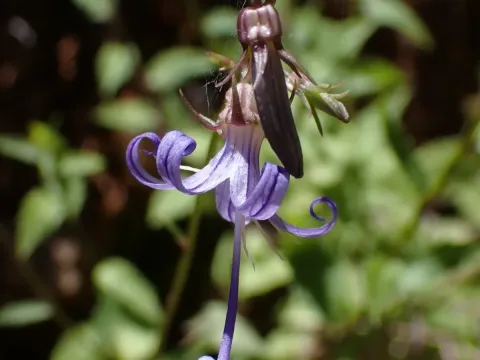
California harebell
Campanula prenanthoides
The sowing of Campanula prenanthoides is typically initiated in early spring once soil temperatures reach a comfortable level for germination. Seeds benefit from a short period of cold stratification, which mimics natural environmental triggers.
What the section contains
California harebell
When starting indoors, it is best to use a sterile, well-draining seed-starting mix. The seeds should be lightly pressed onto the surface without covering them completely, as they require light to successfully germinate.
Seedlings should be thinned or transplanted when they develop their first set of true leaves. Proper spacing ensures that each plant receives adequate nutrients and avoids competition for sunlight during the initial growth phase.
Direct outdoor sowing is successful in temperate zones if the threat of frost has completely passed. Maintaining consistent surface moisture is crucial during the first weeks after sowing to prevent seed desiccation.
Establishing a stable sowing environment involves choosing a site that receives moderate light, avoiding the intense heat of midday sun which might stress fragile young seedlings.
California harebell thrives in a variety of well-draining soil types, showing a preference for slightly acidic to neutral pH levels. It belongs to the Campanulaceae family and is known for its ability to adapt to woodland or shady meadow habitats.
Light requirements for this species include partial shade or dappled sunlight. In its natural range, it grows well under tree canopies where it is protected from extreme temperature fluctuations and direct heat.
Watering should be managed carefully to ensure the soil remains moist but never waterlogged. Overwatering is the most common cause of failure in cultivating this species, leading to rapid decline and root health issues.
The plant benefits from an organic mulch layer, which helps regulate soil temperature and keeps root zones cool during summer months. This practice also helps preserve soil structure and prevents crusting.
Soil fertility is important for sustained flowering, but excessive nitrogen fertilization should be avoided as it encourages leafy growth at the expense of floral production and makes the plant susceptible to disease.
The primary threats to this species include fungal infections such as powdery mildew, which thrive in stagnant, humid air. Good air circulation is the most effective preventative measure against such issues.
Root rot is a significant danger in poorly drained clay soils. Providing a grit or perlite-amended soil mix can significantly mitigate this risk and ensure long-term plant health.
Slugs and snails are the most frequent pests, particularly in spring when tender young shoots appear. Monitoring and the use of physical barriers are recommended to protect the garden collection.
Aphids can occasionally infest the flower spikes during the peak blooming season. If the infestation is light, washing them off with a strong jet of water is often enough to control the population.
Maintaining a healthy, clean garden space and removing plant debris around the base of the Campanula helps reduce the overwintering sites for both pests and fungal spores.