
Canarium luzonicum
Canarium luzonicum
Description
Growing requirements
Canarium luzonicum, belonging to the Burseraceae family, is a large, evergreen tropical tree native to the Philippines. It is primarily valued for the aromatic oleoresin known as elemi.
The tree thrives in tropical rainforest conditions, requiring high humidity and constant warm temperatures. It is highly intolerant of frost, which restricts its cultivation to tropical regions.
Soil requirements include deep, well-draining loamy soil. It is essential to avoid sites prone to waterlogging, as the root system of this species is highly susceptible to fungal rot in anaerobic conditions.
Agricultural management requires spacing trees at sufficient distances to ensure proper airflow and light penetration. Young trees need protection from direct, intense sunlight until they are well-established.
Regular maintenance involves pruning dead or diseased branches. Fertilization is generally minimal, focused on maintaining soil organic matter to support long-term growth and resin production.
Harvesting
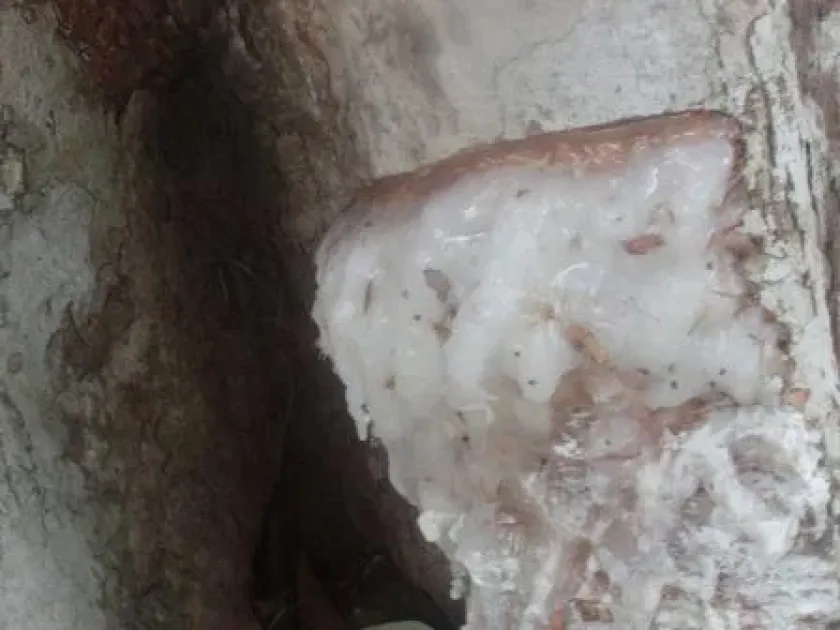
The primary harvest is the oleoresin, which is extracted by tapping the trunk. Tapping involves making careful incisions in the bark during the dry season to encourage exudation.
The collected resin is initially soft and pale-colored, eventually hardening upon exposure to air. Sustainable harvesting practices are critical to ensure the long-term viability of the trees.
The fruits of the tree contain oil-rich kernels that are also harvested. These are typically collected once they drop from the canopy or are manually picked when fully ripe.
Post-harvest handling of kernels includes drying them under controlled conditions to lower moisture content, preventing fungal growth and oxidative rancidity of the seed oils.
The industry uses the processed resin in varnishes, printing inks, and perfumery. The nuts are also locally consumed, demonstrating the diverse economic potential of this unique tree.