
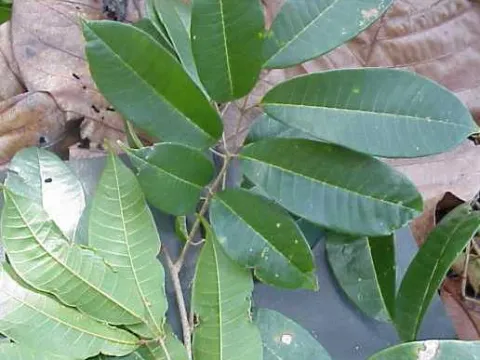
Canarium oleosum
Canarium oleosum
Canarium oleosum is a tropical evergreen tree belonging to the Burseraceae family. Native to the rainforests of Southeast Asia, particularly in Indonesia and surrounding islands, this species is well-adapted to high-humidity environments. The plant is primarily recognized for its ability to produce oil-rich seeds, which are highly valued in both local diets and regional economies.
What the section contains
Canarium oleosum
The cultivation of this species requires deep, well-drained soils rich in organic matter. It thrives in tropical climates where temperatures remain consistently warm, usually between 22°C and 30°C throughout the year. While the tree is robust once established, young saplings are vulnerable to extreme fluctuations in soil moisture and require protection from intense direct sunlight during their early growth stages.
Botanically, Canarium oleosum is characterized by its large, pinnately compound leaves and a sturdy trunk that produces resinous sap. The fruit is a drupe, containing an oily kernel protected by a hard endocarp. The tree's structure allows it to withstand heavy tropical rainfall, provided the drainage is sufficient to prevent root rot, which is the most significant physiological risk for the species.
Economically, the tree is prized for its nutritious nuts. These nuts are processed to extract high-quality vegetable oil used for cooking and dermatological applications. Besides the oil, the timber of the tree is occasionally used for light construction purposes, making it a multi-purpose resource for local farming communities.
The agrotechnical management of the crop focuses on soil fertility maintenance and weed management during the establishment phase. Pruning is often practiced to shape the tree and improve access to the fruit, as well as to minimize the incidence of structural damage from strong winds. Consistent monitoring of plant vigor is essential to ensure long-term fruit productivity.
Harvesting typically occurs when the fruits turn color, indicating maturity of the kernel inside. The fruits are harvested manually, as mechanical methods can damage the sensitive resinous bark of the tree. Following the harvest, it is critical to dry the nuts under controlled conditions to lower the moisture content and prepare them for long-term storage or oil extraction.