
Canarium odontophyllum
Canarium odontophyllum
Description
Growing requirements
Canarium odontophyllum, commonly known as Dabsai, belongs to the Burseraceae family. It is a tropical tree native to the rainforests of Southeast Asia, particularly thriving in the regions of Borneo and Sumatra.
The tree requires a humid tropical climate to flourish. It prefers areas with consistent rainfall throughout the year and temperatures ranging from 24 to 30 degrees Celsius, typical for lowland tropical environments.
Regarding soil requirements, the species performs best in deep, fertile, and well-drained loam or alluvial soils. It does not tolerate waterlogging, which can lead to root system decay and poor development.
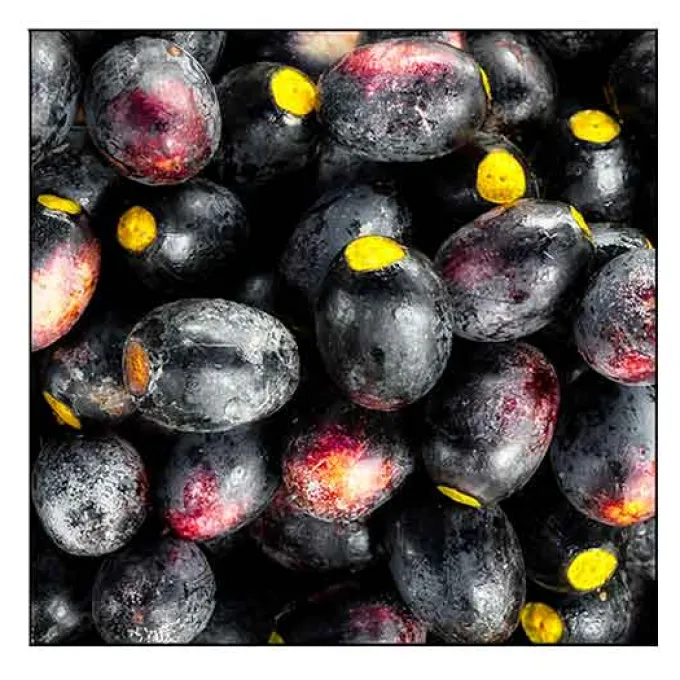
Botanically, it is an evergreen tree that can grow up to 25 meters tall. Its fruits are ovoid drupes that turn a deep dark blue or black color when fully ripe, signaling the optimal time for harvest.
Economically, the fruit is highly valued for its nutritional profile. The pulp is rich in fats, proteins, and fibers, making it a significant food source for local communities, often compared to avocado in culinary use.
Yield
The yield of Canarium odontophyllum depends on the tree's maturity and environmental conditions. Mature trees can produce significant quantities of fruit annually, although production follows a distinct seasonal cycle.
Cultivation practices aimed at increasing yield focus on selecting superior genotypes that offer earlier fruiting and higher fat content. Improving orchard management is essential for optimizing fruit output.
The crop is still largely harvested from semi-wild or cultivated home gardens. However, interest in commercial plantation models is growing as demand for the fruit and its oil increases in international markets.
Proper nutrient management, including the application of organic amendments, has been shown to enhance fruit size and quality. Regular monitoring of the trees ensures consistent production levels.
Yield stability is also linked to the effective control of competition from weeds in the early stages of tree development, which allows the plant to allocate more energy towards biomass and fruit production.
Main diseases and pests
The tree can be susceptible to various fungal diseases, especially in environments with high humidity and poor air circulation within the canopy. Regular pruning is recommended to reduce pathogen transmission.
Pests such as fruit borers and various scale insects can cause damage to the developing crop. Integrated pest management strategies are advised to maintain tree health without relying on heavy chemical use.
Root rot is a major threat in soils with poor drainage. Establishing orchards on elevated, well-draining terrain is the primary preventative measure against such soil-borne pathogens.
Defoliating insects can occasionally affect young saplings, requiring nursery-stage monitoring and early intervention to ensure the survival and vigor of the young plants.
Bird and rodent damage to ripe fruits is common. Protecting the canopy or harvesting as soon as the fruits reach maturity can help minimize these losses in a productive plantation.
Harvesting
Harvesting Canarium odontophyllum is traditionally a manual labor process. Due to the tree's height, harvesters often climb or use tools to collect the fruit, which can be challenging in dense planting schemes.
Timing the harvest is crucial. The fruit must be harvested when the skin reaches the desired dark hue to ensure the flesh is soft and oily, as the flavor profile develops significantly during the final ripening stages.
Post-harvest handling is critical because the fruit has a relatively short shelf life. Immediate cooling or processing, such as parboiling, is common to stabilize the product for storage and transport.
Packaging must provide adequate ventilation to prevent moisture buildup, which can promote fungal growth on the skin of the drupes during transit to local markets.
Efficiency in the harvest stage can be improved by pruning trees to maintain a lower, more manageable height, which facilitates easier access for workers and reduces the risk of physical damage to the fruit.