
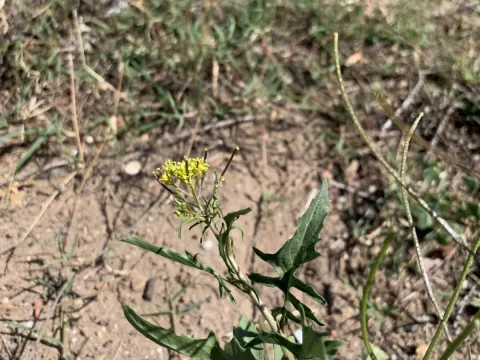
Cape hedge mustard
Sisymbrium capense
Cape hedge mustard (Sisymbrium capense) is a specialized member of the Brassicaceae family that requires specific environmental conditions for successful cultivation. Sowing typically begins in early spring, once the risk of severe frost has passed and the soil has reached a stable temperature.
What the section contains
Cape hedge mustard
The planting site should be prepared by loosening the topsoil to ensure adequate aeration and moisture retention. Seeds are ideally sown in rows to facilitate mechanical maintenance and ensure uniform growth across the field.
Due to the small size of the seeds, they should be sown at a shallow depth of approximately 1 centimeter. Covering them with a light layer of soil helps protect them from drying out while allowing sufficient light for rapid germination.
Depending on the climatic zone, sequential sowing can be implemented to ensure a steady supply of biomass. It is crucial to monitor the growth density during the first few weeks, thinning out plants as necessary to prevent overcrowding.
Proper spacing between rows is essential for machine access and weed control. Generally, a gap of 30 to 40 centimeters is recommended to balance plant health with land productivity requirements.
This crop thrives in well-drained, fertile soils that are rich in organic matter. Soil testing is recommended to ensure a neutral pH level, as acidic soils can significantly inhibit nutrient uptake and overall development.
As a sun-loving species, Cape hedge mustard requires full exposure to sunlight throughout the day. Shade management is critical, as any lack of light will result in weak stems and poor biomass quality.
Consistent soil moisture is vital during the vegetative stage. While the plant can withstand short periods of dryness, prolonged drought will negatively impact the quality of the harvest, necessitating irrigation in arid conditions.
Fertilization strategies should focus on moderate nitrogen application early in the season, followed by balanced potassium to support final growth stages. Avoid over-fertilizing with nitrogen to maintain plant vigor.
Temperature management is another key aspect, with the plant preferring temperate conditions. Sudden fluctuations in heat or extreme cold should be mitigated through proper mulching or seasonal adjustments in planting times.
The primary agricultural challenge for Cape hedge mustard is the flea beetle, which can decimate young seedlings if not monitored effectively. Implementing biological control methods is a preferred strategy for sustainable farms.
Fungal diseases, particularly those affecting the root system, are common in poorly drained fields. Good field hygiene and proper soil management are essential for disease prevention.
Crop rotation is perhaps the most important defense strategy. Avoiding the planting of Brassicaceae in the same area for consecutive years prevents the buildup of soil-borne pathogens and pests.
Maintaining a weed-free field is necessary to reduce the pressure from competing plants that might host common pests. Regular mechanical cultivation helps keep the field clean.
- Monitoring for pest infestations at the seedling stage.
- Ensuring adequate spacing to allow for good airflow.
- Implementing effective crop rotation cycles every 3-4 years.