
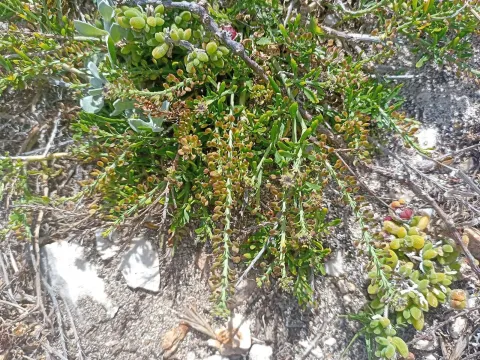
Cape pepperweed
Lepidium capense
Cape pepperweed is a member of the Brassicaceae family. This crop is characterized by high plasticity, but for high-quality commercial production, sowing should be carried out in early spring when the soil is well-saturated with moisture.
What the section contains
Cape pepperweed
The optimal germination temperature for Lepidium seeds is 12–15 degrees Celsius. The crop is cold-resistant, allowing for both late-autumn sowing and direct seeding into open ground immediately after snowmelt.
When grown in protected environments, sowing can be performed using a conveyor method with an interval of 14–20 days. This ensures a continuous supply of fresh greens throughout the entire growing season.
The seed sowing depth should be 0.5–1 centimeter. Planting deeper than this causes delays in emergence, which is critical for this small-seeded plant.
To accelerate germination, it is recommended to lightly roll the soil surface immediately after sowing to ensure close contact between the seeds and soil particles.
The plant prefers light, well-drained sandy loam or loamy soils with a neutral pH. Stagnant moisture is unacceptable, as it promotes the development of root rot diseases.
For proper development, Cape pepperweed requires adequate light. Shading causes the plant to stretch, and the leaves lose their characteristic spicy aroma and nutritional value.
The crop responds well to moderate nitrogen fertilization, though excessive mineral feeding may lead to the accumulation of nitrates in the leaf mass.
Moisture requirements remain consistently high during the period of active rosette leaf growth. Lack of water leads to premature bolting and coarsening of the foliage.
The optimal soil acidity level for this crop is in the range of pH 6.0–7.0, allowing the plant to effectively absorb micronutrients from the soil solution.
The main pests for all Brassicaceae members, including Cape pepperweed, are flea beetles. They can destroy young seedlings within a few days if left untreated.
In conditions of high humidity and overcrowded plantings, plants can be affected by powdery mildew or downy mildew. Prevention relies on proper crop rotation and spacing between rows.
Aphid infestations are also possible, as they suck juices from young shoots. When managing pests, preference is given to biological methods or bio-products with short pre-harvest intervals.
To prevent fungal diseases, it is important to avoid overhead irrigation in the evening, which creates conditions for water stagnation on leaves.
It is critically important to monitor the status of the crops from the moment the first true leaves appear, as the plant is most vulnerable to pest attacks during this stage.
Harvesting of Cape pepperweed begins 30–45 days after seedling emergence, depending on temperature conditions and light intensity during the specific growing season.
The greens should be cut or pulled with roots before the budding phase. After the appearance of flower stalks, the product quality decreases sharply as the leaves coarsen and become excessively sharp in taste.
To achieve maximum market quality, it is recommended to harvest in the morning hours when plants are fully turgid, which allows the greens to maintain freshness for longer.
Harvested produce should be rapidly cooled to slow down transpiration and preserve the vitamin composition. Storage is possible in refrigeration units at temperatures around 0–2 degrees Celsius.
If seed production is required, a portion of the plants should be left in the field until the pods are fully mature. Cape pepperweed seeds maintain viability for up to 3–4 years if stored correctly.