
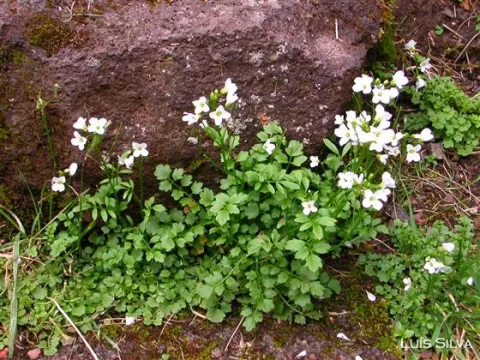
Cardamine caldeirarum
Cardamine caldeirarum
Cardamine caldeirarum is a rare perennial herbaceous plant belonging to the Brassicaceae family. Originating from the unique ecological niches of the Azores, its natural propagation is closely linked to its specific habitat near geothermal volcanic vents and water channels.
What the section contains
Cardamine caldeirarum
When cultivating this species, seed propagation requires controlled conditions, typically within a greenhouse environment. The seeds often require a stratification period to mimic the natural fluctuations of the environment, which helps in achieving a more uniform germination rate.
The choice of substrate is paramount: it should be sterile, moisture-retentive, yet porous enough to allow for optimal gas exchange. Sowing is best performed by scattering seeds on the surface of the medium and covering them with a very thin layer of fine peat or perlite.
Maintaining a constant humidity level is critical during the first stages of growth. Because the seeds are tiny, they are prone to rapid desiccation; thus, using a cover or misting system is essential to keep the moisture levels stable until the seedlings become established.
After the first true leaves emerge, seedlings should be carefully pricked out into individual pots. This practice promotes strong root system development, which is vital for the plant to withstand the transition to its permanent growing environment later in the season.
This species is highly demanding in terms of environmental conditions, preferring shaded, humid, and temperate habitats. In cultivation, it performs best in environments where high atmospheric moisture is consistently maintained, ideally ranging from 70 to 85 percent.
The soil should be rich in organic matter, reflecting the volcanic soil composition of its native Azores. A light, well-draining mix with a neutral or slightly acidic pH is required to ensure that the roots do not suffer from waterlogging, which the species finds detrimental.
Light management is a critical aspect of Cardamine caldeirarum care. It cannot tolerate direct, intense sunlight, which leads to leaf burning and tissue desiccation. Using shading screens or positioning plants in areas with filtered, indirect light is necessary for healthy development.
Temperature control is equally important. The plant thrives in cool to temperate conditions and struggles under high heat. Maintaining stable temperatures, especially preventing overheating in greenhouses during the day, is essential for its vegetative growth cycles.
Water quality is a key factor, as the species can be sensitive to minerals or high salinity levels in the water. Utilizing rainwater or filtered water is recommended to prevent salt accumulation in the substrate, which could inhibit nutrient uptake and damage delicate root hairs.
Fungal diseases, particularly those affecting the roots and collar, are the primary threats to Cardamine caldeirarum. Overly moist, stagnant conditions in the greenhouse can quickly lead to damping-off, which is fatal for seedlings and young plants alike.
Pests typical of the Brassicaceae family, such as flea beetles, pose a significant risk to the foliage. These insects can cause extensive damage to leaves in a short amount of time, necessitating vigilant monitoring and the use of physical barriers or biological control agents.
Aphids are another common concern, as they colonize the underside of leaves and weaken the plant by extracting sap. Management involves regular inspections and the application of mild, organic-based insecticidal soaps to keep populations under control without stressing the plant.
Powdery mildew may develop if the air circulation around the plants is inadequate. Proper spacing between individual pots and the implementation of active ventilation systems are the best preventive measures to ensure the foliage remains healthy and disease-free.
Slugs and snails can cause severe damage in humid environments. Because Cardamine caldeirarum requires high moisture, it naturally attracts these pests, making the use of copper tape or organic slug baits a necessary part of the integrated pest management plan.