
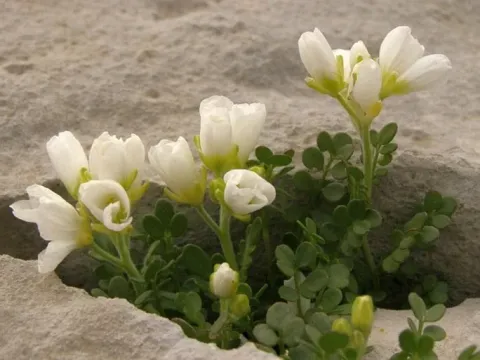
Cardamine carnosa
Cardamine carnosa
Cardamine carnosa belongs to the Brassicaceae family, sharing typical biological traits of the genus. Seeds are usually sown in early spring when the soil temperature consistently reaches 8–10 degrees Celsius.
What the section contains
Cardamine carnosa
Proper seedbed preparation is vital, involving fine tilling to ensure good soil contact. Sowing depth should be shallow, generally between 1 and 2 centimeters, to facilitate rapid germination.
Row spacing is typically kept at 20–25 centimeters to allow for efficient weeding and air circulation. Using high-quality, stratified seeds significantly improves field emergence rates.
The seeding rate must be calibrated based on local soil fertility and moisture levels. Overcrowding should be avoided to prevent competition for light and nutrients during the early seedling stage.
Spring sowing is preferred in temperate climates to ensure the crop establishes before the onset of extreme summer temperatures, which can adversely affect early growth stages.
This crop thrives in moisture-retentive, well-draining soils with high organic matter content. Loamy soils with a neutral pH provide the most favorable conditions for root development.
While the plant requires sufficient sunlight, it performs best in partial shade during peak summer hours to prevent leaf scorching and excessive transpiration.
Water management is critical. Consistent soil moisture is necessary for optimal yields, but waterlogging must be avoided to prevent root system suffocation and disease development.
Organic fertilization, such as well-rotted compost, is recommended to maintain soil structure. Excessive nitrogen application should be avoided as it may lead to succulent, weak stems.
Regular weeding is essential for this crop, as it does not compete well with vigorous weeds. Maintaining clean rows helps maximize the efficiency of nutrient and water uptake.
Crucifer flea beetles are the most common pest, especially during the seedling stage. Regular monitoring and protective row covers are often necessary to prevent significant defoliation.
Fungal diseases like downy mildew can occur in humid, stagnant conditions. Improving spacing and ensuring proper ventilation are the most effective non-chemical control methods.
Slugs and snails can cause significant damage to young foliage, particularly in damp environments. Mulching with abrasive materials like crushed rock can serve as a natural deterrent.
Root rot is often a symptom of poor drainage or overwatering. Addressing water management issues is crucial to prevent the spread of soil-borne pathogens across the planting area.
Strict crop rotation is advised, as growing Cardamine carnosa repeatedly in the same field increases the risk of soil-borne pest accumulation specific to Brassicaceae.
Harvesting is typically carried out during the peak vegetative phase, before the plant transitions into the flowering stage, which can negatively impact leaf flavor and quality.
Mechanical or manual cutting involves harvesting the aerial parts 3–5 centimeters above the soil level. This method encourages the regrowth of new shoots for subsequent harvests.
Harvested material should be kept out of direct sunlight and cooled immediately to preserve its nutritional value. Processing or shipping should occur as soon as possible after harvest.
For seed production, a portion of the crop is allowed to complete its life cycle. Seeds are collected once the pods turn brown but before they start to shatter.
Proper post-harvest storage requires cool, well-ventilated conditions to maintain moisture content. Packaging should allow for breathability to extend the shelf life of the green mass.