
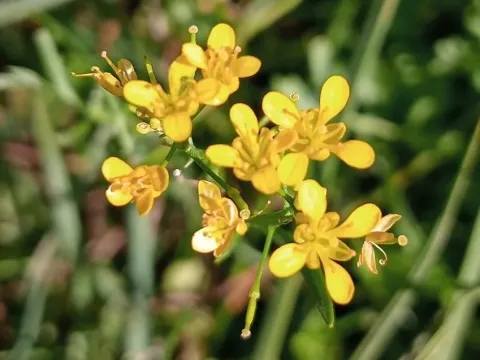
Pyrenean yellowcress
Rorippa pyrenaica
Pyrenean yellowcress is a perennial herb belonging to the Brassicaceae family. It is best sown in early spring as soon as the soil becomes workable and has warmed up to at least 8–10 degrees Celsius.
What the section contains
Pyrenean yellowcress
For optimal results, seeds should be sown in shallow rows, barely covered with soil, as they require light and consistent moisture to germinate successfully. Maintaining high soil humidity is crucial during the first two weeks.
When starting indoors, seeds should be sown in trays about a month before the last frost date. This practice ensures a robust root system before transplanting the seedlings into the outdoor beds.
Planting density is important for leaf development; a spacing of 15 cm between plants allows sufficient air circulation, which is vital for the health of this leafy green crop.
The plant demonstrates a strong capacity for regrowth after harvesting, allowing for multiple cuts during the growing season if soil fertility and moisture levels are maintained.
This crop thrives in sunny locations but can tolerate partial shade, which is particularly beneficial during the peak of the summer heat. It requires consistent watering to prevent leaves from becoming bitter.
Loamy, fertile, and well-drained soils are ideal for Pyrenean yellowcress. It prefers a neutral pH but can adapt to a variety of soil types provided they are rich in organic matter.
The plant is highly hardy and can withstand freezing temperatures, making it a reliable perennial in temperate climates. It prefers cool to moderate weather for optimal leaf growth.
Regular weeding is necessary to minimize competition for nutrients. Since the plant has a relatively shallow root system, light hoeing should be performed with care to avoid root damage.
Application of compost or well-rotted manure during land preparation provides the necessary slow-release nutrients to support vigorous vegetative growth throughout the season.
The most common pests affecting this plant are flea beetles, which can cause significant damage to seedlings by chewing small holes in the leaves. Using physical barriers is an effective control measure.
Fungal diseases like downy mildew may appear in damp, cool conditions. Ensuring proper spacing and keeping the foliage as dry as possible are the best preventive strategies.
Monitoring the plants regularly for signs of aphids is also recommended, as these insects can quickly colonize the undersides of the leaves during the warmer months.
To prevent the buildup of soil-borne diseases, it is highly recommended to follow a crop rotation cycle, avoiding planting Brassicaceae species in the same spot for several years.
In cases of severe infestation, using approved organic insecticides or biological controls is advised, always keeping in mind the edible nature of the foliage and harvesting safety intervals.