
Lobularia libyca
Lobularia libyca
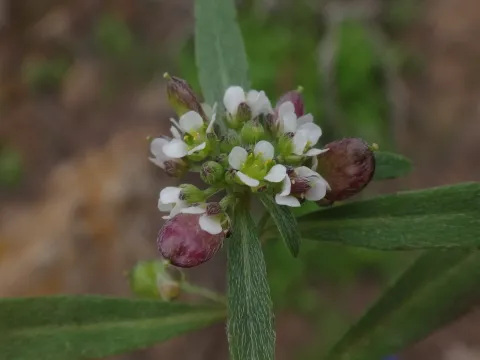
Lobularia libyca is an annual herbaceous plant belonging to the Brassicaceae family. It is recognized for its ability to thrive in challenging environments, particularly within its native Mediterranean and North African range, where it demonstrates remarkable resilience against environmental stress.
What the section contains
Lobularia libyca
Sowing occurs during the spring season once the soil temperature is consistently above the germination threshold. Precision sowing ensures that seeds are planted at a depth that balances soil moisture retention and oxygen availability, typically between 1 and 2 centimeters, to maximize the germination rate.
This crop requires full sun exposure for optimal vegetative development. Because it is highly adapted to arid climates, it utilizes solar energy to drive metabolic processes that make it an efficient candidate for xeriscaping or agricultural production in regions where traditional moisture-loving crops might fail.
Soil requirements for Lobularia libyca focus on excellent drainage and a light, sandy composition. The plant does not tolerate waterlogging, which creates hypoxic conditions for the roots. It performs best in soils with pH levels ranging from neutral to slightly alkaline, reflecting its evolutionary origin.
Field management involves systematic weed control, especially during the early establishment phase. Once the plant forms a mature canopy, its low-growing habit helps shade the soil surface, effectively reducing water evaporation and suppressing the germination of opportunistic competitive weed species.
Disease pressure is primarily associated with fungal pathogens that thrive in humid conditions. Root rot and powdery mildew are the most significant threats, often exacerbated by poor field drainage or lack of airflow. Integrated pest management strategies are crucial to maintaining crop health in these conditions.
Insect pests such as flea beetles pose a constant threat to young seedlings. Producers often employ protective row covers or specialized insecticidal treatments in the early vegetative stage. Monitoring programs are essential to detect infestations early and mitigate potential damage to the developing foliage.