
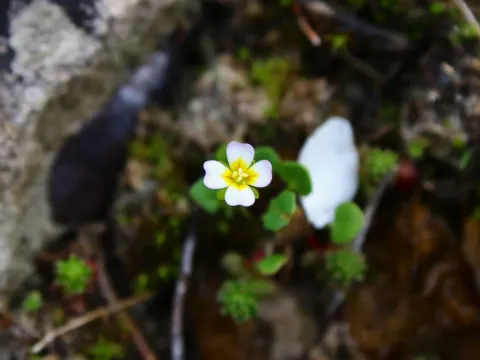
Leavenworthia
Leavenworthia
Leavenworthia is an ephemeral plant, and successful germination requires an autumn sowing schedule to allow for natural cold stratification of the seeds.
What the section contains


Leavenworthia
Seeds typically germinate in late autumn, enabling the plants to establish a basal rosette that will survive the winter months until early spring growth begins.
In a controlled environment, it is essential to mimic the plant's natural habitat by using a well-draining, mineral-rich substrate to prevent seed decay.
The seeding depth should be very shallow, as the small seeds of this genus are highly sensitive to soil compaction and light availability during emergence.
Proper spacing is recommended to ensure each plant receives adequate light, which is critical for the development of healthy, robust foliage.
Belonging to the Brassicaceae family, Leavenworthia species are primarily native to the southeastern United States, often inhabiting limestone glades.
These plants are highly specialized, requiring neutral to alkaline soils with a high concentration of calcium, which is fundamental to their survival.
The climatic requirements include a consistent moisture supply during the growth phase and a distinct dry period that signals the onset of dormancy.
Sunlight exposure is crucial; Leavenworthia thrives in open environments where there is no competition for light from taller herbaceous or woody species.
The soil should be kept moderately moist during the vegetative stage, but drainage must be excellent to avoid root asphyxiation during wet spring spells.
As a member of the mustard family, Leavenworthia is vulnerable to typical brassica-related issues, including clubroot disease caused by excessive soil acidity.
Crucifer flea beetles represent the most significant pest risk, as they feed aggressively on the tender leaves of young seedlings in early spring.
Fungal pathogens such as downy mildew can become prevalent if the planting area lacks proper airflow or is exposed to persistent high humidity.
Gastropods, including snails and slugs, are frequent predators that can decimate a stand of these delicate plants if not managed appropriately.
Integrated pest management and maintaining a clean growing area are the most effective ways to mitigate disease spread and pest colonization in this crop.