
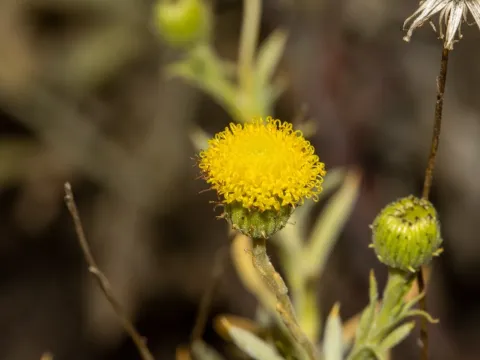
Leiocarpa
Leiocarpa
Sowing of Leiocarpa is typically conducted in the spring once soil temperatures reach 12–15 degrees Celsius. Ensuring stable temperatures is critical for uniform germination, as seeds are sensitive to sudden nocturnal drops.
What the section contains
Leiocarpa
In warmer climates, winter sowing is possible, though it requires precise timing to prevent premature germination before the onset of frost. The optimal seeding depth ranges from 1 to 2 centimeters depending on soil texture.
Leiocarpa seeds exhibit high germination vigor when provided with adequate moisture during the first two weeks. Planting density should be adjusted based on the intended use, with wider rows preferred for seed production.
When using a transplant method, seeds are sown in trays in late winter. Pricking out is performed at the two-leaf stage, which promotes the development of a strong root system before field planting.
After emergence, thinning is necessary to maintain a spacing of 20–30 centimeters between plants. This practice prevents nutrient competition and ensures sufficient air circulation throughout the crop canopy.
Leiocarpa belongs to the Asteraceae family and has specific lighting requirements. It is a light-loving plant, necessitating open, sun-exposed sites to achieve full vegetative development and successful blooming.
The crop is relatively undemanding regarding soil quality but prefers light, well-drained sandy or loamy soils with a neutral pH. Waterlogging is highly detrimental and must be avoided to prevent root damage.
The plant possesses strong drought tolerance, a trait attributed to its specific physiological adaptations. Nevertheless, moderate irrigation during critical dry spells significantly boosts biomass production and floral health.
To maximize yield, Leiocarpa benefits from moderate mineral fertilization, particularly phosphorus and potassium applications during the budding stage. Excessive nitrogen may lead to weak, prone-to-lodging stems.
The crop demonstrates significant resilience to climate-related stresses, including transient temperature fluctuations. The ideal temperature range for vegetative development is between 20 and 25 degrees Celsius.
Fungal diseases caused by improper moisture management pose the primary threat to Leiocarpa. Root rot can manifest in heavy, saturated soils characterized by poor drainage and limited air movement.
Powdery mildew represents a significant risk during periods of high atmospheric humidity combined with cool nights. Prevention strategies include strictly adhering to crop rotation and avoiding dense planting.
Pests such as aphids and spider mites can cause damage by feeding on young shoots. Regular field monitoring is essential to detect and treat infestations at the initial stages of development.
Defoliating insects rarely cause critical yield loss but may act as vectors for viral diseases. The use of biological insecticides is recommended as the primary means of plant protection.
Adherence to good agricultural practices, such as routine weeding and soil aeration, effectively reduces disease pressure. Maintaining high-quality, certified seeds is the foundation of a healthy crop.