
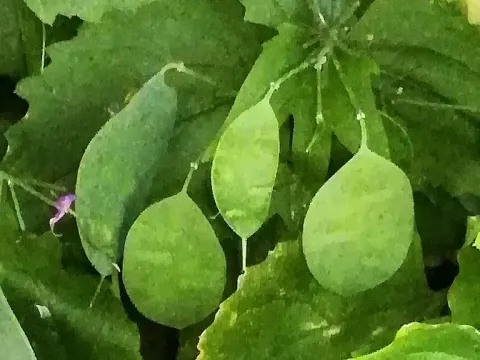
Honesty
Lunaria
Lunaria, commonly known as Honesty, is a member of the Brassicaceae family. It is typically grown as a biennial, meaning it produces a rosette of leaves in its first year and flowers during its second season.
What the section contains

Honesty
Seeds should be sown in late spring or early summer directly into the garden soil. The seeds require a well-prepared seedbed and a consistent moisture level to ensure successful germination and early plant establishment.
For gardeners looking for faster development, seeds can be started indoors in containers and then transplanted into the permanent site. However, direct sowing is generally preferred to prevent root disturbance in the young plants.
When sowing, cover the seeds with approximately 1–2 centimeters of fine soil. Providing a weed-free area is crucial during the early stages of growth to prevent competition for essential nutrients and space.
Spacing the plants about 30 to 40 centimeters apart allows for proper airflow and room for the biennial to reach its full potential, leading to more robust flowering stalks in the second year of growth.
Lunaria thrives in partial shade, making it an excellent choice for woodland gardens or north-facing borders. While it can tolerate some sun, excessive direct heat may scorch the foliage and shorten the blooming period.
The plant prefers rich, moist, but well-draining soil. It performs best in soils with neutral to slightly alkaline pH levels, as extreme acidity or alkalinity can inhibit nutrient uptake and overall plant health.
Regular watering is essential, especially during dry spells in the summer months. Consistent soil moisture ensures that the plant develops deep roots and produces the characteristic, large, silvery seed pods later in the season.
Fertilizing with well-rotted compost or a balanced organic fertilizer in early spring can provide the necessary nutrients for vigorous growth. Avoid heavy nitrogen applications, which might prioritize leaf growth over flower production.
In terms of climate, Lunaria is highly hardy and generally survives cold winters without needing special protection. In areas with harsh, frost-free winters, however, organic mulch around the base helps retain moisture.
Like many plants in the Brassicaceae family, Lunaria is susceptible to flea beetles, which can chew small holes in the leaves. Using row covers in the early stages of growth can act as a physical barrier against these pests.
Powdery mildew is a common fungal issue that arises in humid or poorly ventilated conditions. It appears as a white, dusty layer on the foliage, eventually leading to leaf yellowing if left untreated.
Slugs and snails can be problematic for young seedlings, especially in damp weather. Maintaining a clean garden and using natural deterrents like crushed eggshells or copper tape can help protect the plants from damage.
Clubroot, a soil-borne disease affecting cruciferous plants, can hinder development if the crop is planted in the same spot repeatedly. Practicing crop rotation is the most effective management strategy for preventing this disease.
Regular monitoring and removing affected plant parts during the growing season help prevent the buildup of pathogens. Ensuring good spacing between plants is a simple yet effective method for reducing disease incidence.
The harvest of Lunaria focuses on its unique, translucent seed pods, which are highly prized for dried flower arrangements. Harvest should take place once the pods have turned paper-thin and dry on the stem.
To harvest, cut the flowering stalks at the base once the pods have matured. Hang the bundles upside down in a cool, dry, and dark area to finish the drying process, ensuring they maintain their structural integrity.
Once completely dry, the outer husks can be gently peeled away to reveal the silvery, moon-like partition inside. This delicate work requires a steady hand to avoid tearing the fragile membrane holding the seeds.
The seeds can be collected and stored in paper envelopes in a dry, cool environment for future planting. Lunaria seeds remain viable for several years, making it easy to maintain a continuous display in the garden.
Dried Lunaria stems provide a sophisticated, minimalist element to interior décor. When handled correctly and kept away from excessive moisture, these dried pods can retain their aesthetic appeal for many years.