
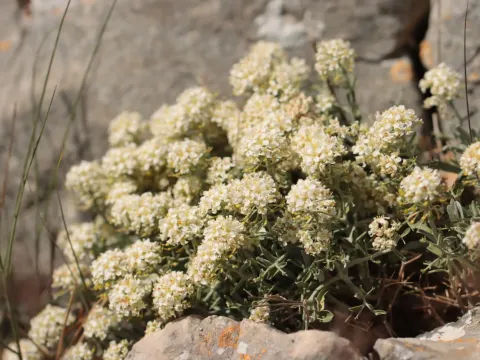
Hormathophylla
Hormathophylla
Seeds of Hormathophylla are typically sown in the spring when soil temperatures reach 12–15 degrees Celsius. For seedling production, seeds are sown in trays or greenhouses in March, ensuring a well-draining substrate.
What the section contains


Hormathophylla
When sowing directly into the open ground, it is crucial to prepare light, loose soil. Seeds should be sown at a shallow depth of 0.5–1 cm, as they require surface placement for optimal germination.
The best time to transplant seedlings outdoors is at the end of May, once the risk of late spring frosts has passed. Spacing between plants should be at least 20–30 cm to allow for natural spread.
Watering after sowing must be moderate but consistent until the first seedlings emerge. Excessive moisture during germination can lead to fungal issues and the loss of young sprouts.
Seedlings emerge uniformly within two to three weeks if proper temperature and humidity levels are maintained. Pricking out or thinning should be done after the development of the second pair of true leaves.
Hormathophylla is a perennial herbaceous plant belonging to the Brassicaceae family. In the wild, it is primarily found in the rocky regions of the Mediterranean and the Iberian Peninsula.
This crop prefers well-lit, sunny areas with light, well-drained soil. Ideal conditions include limestone, sandy, or rocky soils that mimic the plant's natural mountain habitat.
The plant exhibits high drought resistance, an adaptation derived from its native rocky terrain. Excessive moisture and waterlogging around the root system are critical threats to its health.
Neutral to slightly alkaline soil is necessary for optimal development. In acidic soil conditions, the plant's growth rate significantly declines, often leading to a loss of aesthetic quality.
Agronomic management involves minimal fertilization. An excess of nitrogen in the soil promotes excessive vegetative growth at the expense of flowering and overall plant resilience to environmental stress.
The primary threat to Hormathophylla is root rot, caused by poor watering practices. Constant dampness fosters pathogens such as Phytophthora or Fusarium, which can compromise the root system.
Among the pests that pose a threat to this family, cruciferous flea beetles are the most common. They can quickly damage the foliage of young plants if left unchecked.
Aphids may also infest the inflorescences of Hormathophylla during dry spells. Systemic insecticides approved for use on ornamental or herbaceous crops are recommended for control.
Nematodes may occasionally affect the root system in heavy, poorly aerated soils. Prevention strategies include maintaining optimal soil structure and avoiding unnecessary water accumulation.
For pest protection, it is recommended to conduct preventative treatments during the active growth phase, especially during hot and dry seasons.