
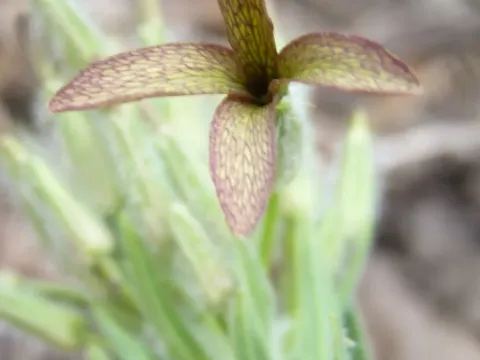
Sad Dame's Violet
Hesperis tristis
Hesperis tristis, commonly known as the Sad Dame's Violet, is a perennial herbaceous plant belonging to the Brassicaceae family. It is native to Central and Eastern Europe, typically found in dry meadows, steppe regions, and rocky outcrops.
What the section contains
Sad Dame's Violet
Sowing should be performed in early spring or late autumn when soil conditions are favorable. The seeds are small and should be sown at a shallow depth of approximately 1 centimeter to ensure optimal emergence and survival.
Spacing is a crucial factor for the healthy development of this crop. A distance of 30 to 40 centimeters between plants allows for proper ventilation and minimizes the spread of diseases within the crop canopy.
The plant exhibits significant winter hardiness, allowing it to adapt to various temperate climates. In the first year, it typically develops a vegetative rosette before producing flowering stems in subsequent seasons.
Proper field preparation involves deep plowing followed by harrowing to ensure a fine seedbed, which is essential for uniform germination of these relatively slow-growing seeds.
The crop thrives in sunny locations but can tolerate partial shade. Full exposure to sunlight is particularly beneficial for the plant's essential oil production and overall structural development.
Regarding soil preferences, it requires well-drained, fertile, and slightly alkaline or neutral soils. The presence of limestone in the soil profile is often beneficial for this particular species.
Water requirements are moderate. While the plant is drought-tolerant, consistent soil moisture during the transition from the vegetative to the reproductive phase is critical for high yields.
Fertilization management should focus on balanced NPK ratios. Excessive nitrogen application must be avoided, as it can lead to succulent growth that is more susceptible to cold damage and pests.
Effective weed control during the establishment phase is vital. Mechanical cultivation or manual weeding ensures that the young plants have adequate access to light, water, and nutrients.
Cruciferous flea beetles represent the most significant pest pressure for Hesperis tristis. They can severely damage seedling leaves shortly after emergence if not managed effectively.
Other potential threats include cabbage white butterfly larvae, which can defoliate plants rapidly. Regular scouting of the fields is necessary to initiate control measures at the right time.
Pathogenic fungi, such as those causing clubroot or powdery mildew, pose risks in poorly drained or overly humid conditions. Crop rotation is the most effective cultural practice to mitigate these risks.
Sanitation practices, including the removal of crop debris and control of alternative host plants in nearby field margins, are essential components of an integrated pest management strategy.
In cases of severe infestation, the use of registered insecticides and fungicides should follow local agricultural regulations to ensure safety and minimize environmental impact.