
Turkestan alyssum
Alyssum turkestanicum
Description
Sowing dates
Turkestan alyssum is a plant suited for temperate climates that requires specific temperature conditions for successful seed germination. The optimal time for sowing is early spring, once the soil has warmed to 8-10 degrees Celsius, ensuring uniform seedling emergence.
Sowing in late autumn, before the ground freezes, is also an option, allowing seeds to undergo natural stratification. This leads to earlier development and helps the plant establish a robust root system before the onset of summer heat.
Proper seedbed preparation is essential, as the seeds are quite small and require fine-textured soil. The sowing depth should not exceed 0.5–1 centimeter to ensure sufficient access to light and warmth for the emerging sprouts.
The recommended seeding rate depends on the intended purpose of the land: for honey production, a higher density is often preferred. Standard row spacing is typically around 20-30 centimeters to facilitate routine maintenance and weed control.
Using fresh, high-vigor seeds is a critical factor for success, as viability can decrease with improper storage. Maintaining optimal soil moisture levels during the germination period is vital for achieving a uniform stand density.
Growing requirements
This crop belongs to the Brassicaceae family and is highly drought-tolerant, making it well-suited for arid climates. The plant prefers open, well-lit areas with full sun exposure, as flowering quality significantly decreases in shaded conditions.
Turkestan alyssum is relatively undemanding regarding soil types, though it performs best in light sandy or loamy soils with a neutral pH. Excessive moisture and waterlogged conditions are detrimental to the root system of this species.
The plant features a well-developed root system capable of extracting moisture from deep soil layers, allowing it to thrive in steppe and semi-desert zones. Its regional origin adapts it well to significant diurnal temperature fluctuations.
During its growth cycle, the plant requires minimal fertilization; excessive nitrogen promotes lush vegetative growth at the expense of flowering. Moderate application of phosphorus-potassium fertilizers during the budding stage is recommended to enhance nectar secretion.
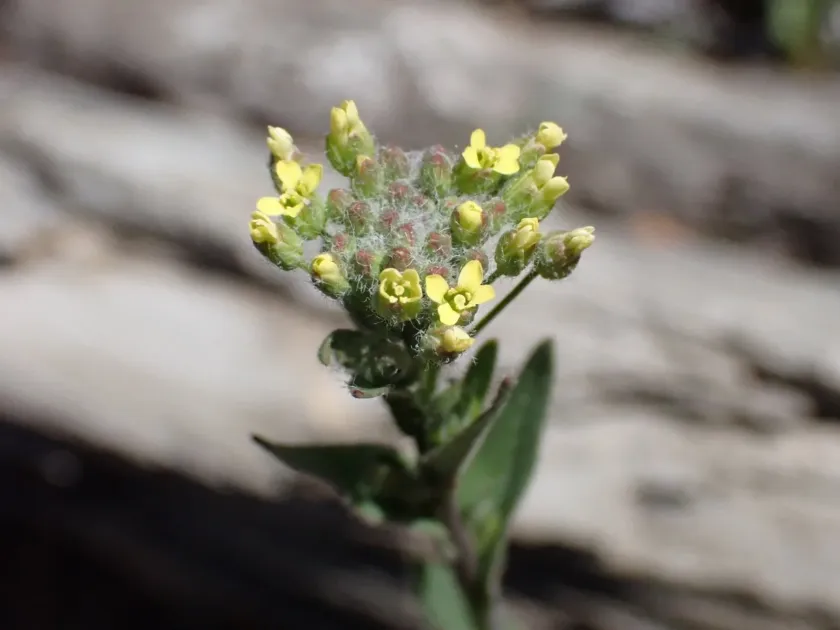
Botanically, it is an annual herbaceous plant that forms a compact bush with abundant raceme inflorescences. The leaves are lanceolate and covered with fine pubescence, which acts as a protective layer against overheating and excessive transpiration.
Yield
The primary agricultural use of Turkestan alyssum is to establish nectar-rich fields to support beekeeping. The high sugar concentration in its nectar makes this crop highly attractive to honeybees throughout the extended flowering period.
The flowering window is quite long, allowing bees to forage over several weeks, ensuring a stable supply of raw materials. The nectar yield is directly proportional to the moisture availability during the early stages of the growing season.
Beyond its honey-producing utility, the plant can be used as a groundcover to mitigate soil erosion on light, unstable soils. Its rapid development helps suppress weed growth and assists in maintaining the structure of the topsoil layer.
Decorative use is also significant: due to its long-lasting blooms and pleasant fragrance, it is widely utilized for rock gardens and borders. The plant's compact habit allows for the creation of aesthetically pleasing landscapes with minimal maintenance.
In agronomic practice, Turkestan alyssum is considered a promising crop for the reclamation of degraded lands in arid regions. Its tolerance for saline soils provides additional opportunities for its application in challenging ecological environments.
Main diseases and pests
Cruciferous flea beetles pose the greatest threat to the crop, as they can destroy young seedlings within a few days. Prevention strategies include early sowing and regular scouting of fields during the cotyledon phase.
High air humidity can predispose plants to fungal diseases, such as powdery mildew or alternaria blight. Improving air circulation and avoiding overcrowding in the field are the best methods for preventing outbreaks.
Aphids may infest the flower heads during hot weather, sucking sap and reducing the plant's nectar productivity. If intervention is necessary, biological control agents safe for pollinators should be used, as chemical insecticides are forbidden in honey-producing areas.
Nematodes can affect the root system in areas where the crop is grown as a monoculture for consecutive years. To prevent this, strict crop rotation must be practiced, avoiding the same plot for at least three years.
Weeds are the primary competitors for Turkestan alyssum during the early development stage, making timely weeding and inter-row cultivation critical. Proper care in the first 20 days ensures the crop's successful establishment and dominance.