
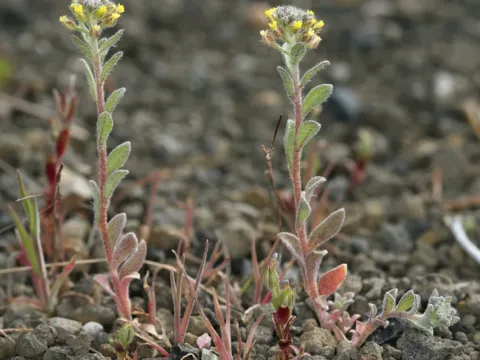
Alyssum
Alyssum
Alyssum is a genus of flowering plants in the Brassicaceae family. Seeds are typically sown directly into the soil in early spring once the risk of frost has passed, usually when the soil has warmed to at least 10 degrees Celsius.
What the section contains


Alyssum
When starting indoors, seeds should be sown in trays 6 to 8 weeks before the last frost date. Since the seeds require light for germination, they should only be lightly pressed into the soil surface without burying them too deep.
Seedlings are ready for transplanting when they have developed several true leaves. It is important to space them properly to ensure good airflow, which is critical for preventing fungal diseases in this species.
In commercial or landscape settings, direct sowing is often preferred due to the plant's ability to establish quickly. Proper seed density is essential to achieve a uniform carpet-like appearance for which the culture is known.
Late summer or early autumn sowings are possible in warmer regions, allowing the plants to overwinter and bloom earlier in the following season.
Alyssum thrives in full sun exposure, which is necessary to maintain a compact growth habit and prolific flowering. Partial shade can be tolerated in extremely hot climates but is generally not ideal.
The ideal soil for Alyssum is well-drained, neutral to slightly alkaline, and relatively low in organic matter. Overly fertile or heavy clay soils often lead to stunted growth and root rot.
While the plants are relatively drought-tolerant, consistent soil moisture during the establishment phase promotes better root development. Once matured, they can withstand periods of dry conditions.
The optimal temperature for growth ranges between 18 and 25 degrees Celsius. Being a cool-season annual, it performs best in milder temperatures and can withstand light frosts without significant damage.
Avoid excessive nitrogen fertilization, as this encourages lush foliage at the expense of bloom production. A balanced slow-release fertilizer is usually sufficient for optimal development.
Flea beetles are the primary insect pests affecting Alyssum, particularly during the seedling stage. These insects create small shot-like holes in the leaves, which can severely weaken young plants.
Powdery mildew is the most common fungal disease, typically occurring during periods of high humidity or when plants are crowded. Improved ventilation and fungicidal applications can manage this issue.
Root rot, caused by various pathogens like Pythium or Phytophthora, is an inevitable consequence of poor drainage or overwatering. Proper irrigation management is the most effective preventative measure.
Aphids may occasionally infest the flower heads, causing stunted development and leaf curling. Monitoring and early intervention with insecticidal soaps are highly recommended.
Good cultural practices, such as removing debris and ensuring adequate sunlight, serve as the first line of defense against most biotic threats to this crop.