
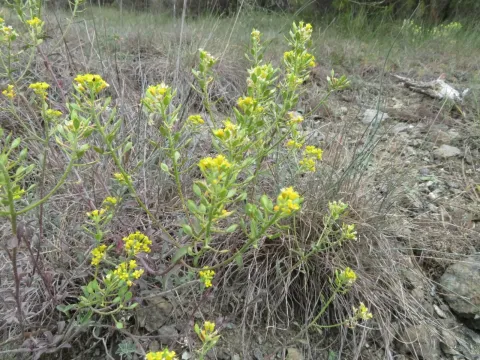
Alyssum bertolonii
Alyssum bertolonii
The optimal sowing time for Alyssum bertolonii is in the spring once the soil temperature reaches approximately 12–15 degrees Celsius. For seedling production, sow seeds in trays during March using a well-drained substrate.
What the section contains
Alyssum bertolonii
Plants should be transplanted into the open field after the threat of frost has passed. A spacing of 20–25 centimeters between plants is recommended to ensure adequate airflow and light penetration.
When sowing directly into the soil, seeds should be covered with no more than 0.5 centimeters of soil, as small seeds require shallow placement to germinate successfully.
This species shows high germination energy under moderate moisture conditions. It is crucial to avoid waterlogging the soil during the seedling stage to prevent fungal issues.
Autumn sowing is only viable in mild climates where winter temperatures do not cause frost heaving or damage to juvenile plant tissues.
Alyssum bertolonii belongs to the Brassicaceae family and is recognized for its extraordinary ability to thrive in serpentine soils that are rich in heavy metals like nickel.
The plant prefers well-drained, alkaline or neutral soil conditions. It is highly photophilous and requires full sun exposure to flourish; it will not tolerate shaded environments.
Climatic requirements mirror Mediterranean conditions, as the plant is drought-resistant and relies on abundant sunlight to accumulate necessary biomass.
Botanically, it is a perennial herbaceous plant featuring grey-green pubescent leaves that help minimize water loss in dry, harsh environmental conditions.
Its unique hyperaccumulation capacity makes it a significant species in the field of phytoremediation, specifically for cleaning soil contaminated with heavy metal deposits.
Root rot is the primary threat to this culture, usually occurring due to water stagnation in the root zone. Ensuring excellent drainage is vital for long-term survival.
Flea beetles are the most frequent pests, attacking tender foliage in the spring. Frequent monitoring is necessary to protect the plant from significant damage.
Aphids can also infest the canopy, extracting sap and reducing plant vigor. Biological insecticides are recommended if infestations become unmanageable.
Powdery mildew may occur if planting density is too high or if air circulation is insufficient. Prompt removal of infected plant material is a standard control measure.
Effective disease management relies on proper crop rotation and avoiding excessive nitrogen fertilization, which can render the plant more susceptible to opportunistic pathogens.