
Alyssum aureum
Alyssum aureum
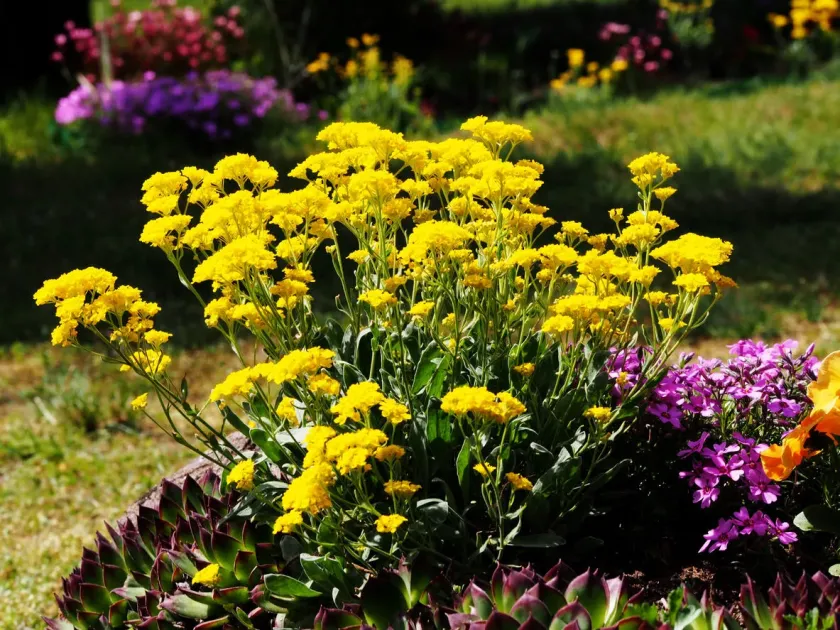
Description
Sowing dates
Alyssum aureum, a member of the Brassicaceae family, is typically sown in early spring as soon as the soil becomes workable and reaches optimal temperatures.
Late autumn sowing is also a viable option in many regions, allowing the seeds to undergo natural winter stratification for better germination success.
When starting indoors, seeds are planted in trays during late winter or early spring, ensuring that the seedlings receive sufficient light to prevent etiolation.
The seeds are very small and should be sown near the surface, covered with a very thin layer of substrate, and pressed gently for better soil contact.
Maintaining a consistent moisture level during the germination phase is critical, although the established plant becomes highly drought-tolerant later on.
Growing requirements
This crop thrives in sunny, open locations. Insufficient light results in weak, spindly growth and a significant reduction in the expected blooming intensity.
Well-drained, porous soils with a neutral to slightly alkaline pH are ideal for the growth and development of this resilient species.
The plant is highly resistant to drought and can thrive in poor, calcareous soils where other crops might struggle to establish their root systems.
Waterlogging must be avoided at all costs, as stagnant moisture quickly leads to root rot and other physiological disorders in the Brassicaceae family.
Proper field maintenance includes keeping the soil aeration high and minimizing nitrogen fertilization to avoid excessive foliage development.
Main diseases and pests
Crucifer flea beetles represent the most significant pest threat, especially to young seedlings during hot and dry weather conditions in the early spring.
Fungal diseases like powdery mildew may appear if the planting density is too high, leading to poor air circulation and increased humidity around the plants.
Nematodes can sometimes impact root development, necessitating the use of proper crop rotation practices to keep the soil pathogen-free for future cycles.
Effective management strategies involve regular field monitoring and the prompt removal of crop debris to reduce the overwintering population of pests.
- Application of integrated pest management practices.
- Maintaining optimal spacing to ensure good plant health.
- Selecting resistant sites to avoid common soil-borne diseases.
Harvesting
Alyssum aureum is primarily valued as an early honey-producing crop, making it an excellent choice for farmers looking to support local pollinator populations.
Harvesting the seed requires careful timing, as the capsules tend to dehisce and scatter their contents once they reach full maturity in the summer.
Once harvested, the plant material should be dried in a ventilated area, allowing for an easier threshing process and cleaning of the collected seeds.
Cleaned seeds should be stored in cool, dry conditions to maintain high viability for the next planting season, ensuring a strong start for new crops.
The agronomic value of this crop extends to its role in sustainable farming as a ground cover that helps suppress weeds while providing nectar for bees.