
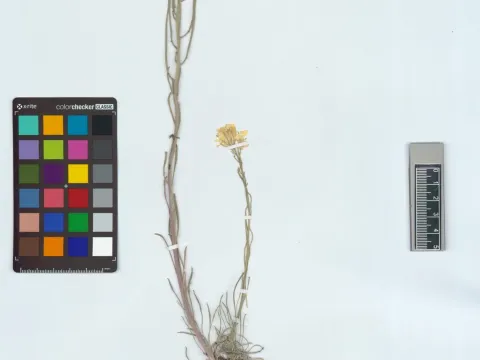
Altai wallflower
Erysimum altaicum
Altai wallflower (Erysimum altaicum) is a perennial herbaceous plant belonging to the Brassicaceae family. It is native to the Altai mountain regions and surrounding areas, characterized by its remarkable resilience and adaptation to harsh, cold environments.
What the section contains
Altai wallflower
The plant thrives in well-lit, sunny areas. It prefers light, stony, or sandy loam soils with good drainage, as it is highly sensitive to waterlogging. It is relatively undemanding regarding soil fertility, making it suitable for cultivation in regions with modest soil conditions.
Climate requirements for this species are centered on its ability to withstand extreme continental temperatures. It exhibits high winter hardiness, allowing it to survive long, freezing winters under snow cover and recover quickly during the brief northern growing season.
Agricultural techniques involve maintaining moderate soil moisture levels. Since the plant is naturally adapted to mountain slopes, it requires well-aerated soil; compaction must be avoided to prevent root stagnation and stunted growth during the vegetative phase.
The primary economic value of Altai wallflower lies in its biochemical profile. It is cultivated as a medicinal crop because it contains specific cardiac glycosides, which are used extensively in the pharmacological industry to produce various heart medications.
The most common pests for Altai wallflower are flea beetles, which primarily target seedlings. Early-season monitoring and the use of protective netting or targeted organic treatments are essential to protect the young plants during their vulnerable developmental stage.
Fungal diseases, such as powdery mildew, may affect the foliage during periods of high humidity and stagnant air. Proper spacing between rows is recommended to ensure adequate airflow, which acts as a natural preventative measure against fungal outbreaks.
Root rot is a major threat in fields with poor drainage or over-irrigation. Ensuring the soil is well-drained and allowing the top layer to dry between irrigation cycles significantly reduces the risk of root-related pathogens.
Cabbage moths and various aphid species may infest the plant during the mid-season. These pests can reduce the total biomass yield, which is critical for farmers growing the plant for industrial pharmaceutical extraction.
Weed management is vital during the first year of growth, as the plant establishes its root system slowly. Mechanical cultivation between rows is necessary to prevent competitive weeds from outgrowing the Altai wallflower seedlings.