
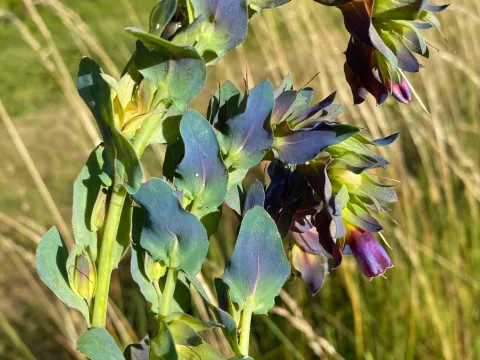
Cerinthe
Cerinthe hybrids
Cerinthe seeds should be sown in spring once the danger of frost has passed. Because they dislike root disturbance, direct sowing into the garden bed is preferred over transplanting from containers.
What the section contains
Cerinthe
The seeds are relatively large and should be covered with approximately 1 centimeter of soil. Consistent moisture is crucial during the germination phase to ensure a high success rate.
For gardeners with shorter growing seasons, starting seeds indoors in biodegradable pots 4-6 weeks before the last frost date is an effective strategy to gain a head start.
Spacing is vital for the health of the plants; keep them at least 30-40 centimeters apart to encourage air circulation and prevent fungal infections in the dense foliage.
Self-seeding is a natural trait of this plant. Allowing some seed heads to mature on the plant will often result in new growth appearing in the same area the following year.
As a member of the Boraginaceae family, Cerinthe thrives in full sun, which is necessary for the bracts to develop their signature deep purple and blue hues. It can tolerate partial shade, though growth may be less compact.
The plant requires well-draining, moderately fertile soil. It is particularly well-suited to loamy or sandy soil types and will struggle in waterlogged clay conditions.
Watering should be balanced. While established plants show good drought tolerance due to their waxy leaves, regular watering during dry spells will improve the overall vigor and flowering performance.
Feeding should be moderate. A balanced, slow-release fertilizer applied during the planting phase is usually sufficient, as high nitrogen levels can produce excessive foliage at the expense of flowers.
Cerinthe is sensitive to cold. It is an annual plant in most climates and requires protection or indoor storage if temperatures drop below freezing early in the season.
Slugs and snails are the most significant threats to young Cerinthe seedlings. Protective barriers like crushed eggshells or copper tape can help keep these pests away from the tender leaves.
Powdery mildew can be a problem in stagnant, humid conditions. Proper plant spacing and ensuring good airflow around the plants are the most effective preventative measures.
Aphids can occasionally colonize the tips of the shoots. If an infestation occurs, treating with insecticidal soap or a strong stream of water can often resolve the issue without harmful chemicals.
Root rot is almost always the result of overwatering or poorly drained soil. If the base of the plant shows signs of darkening or softening, decrease irrigation immediately and inspect the soil drainage.
While generally hardy, monitoring for signs of leaf miners or spider mites during hot, dry summer periods is recommended for healthy plant development.
Cerinthe is primarily cultivated for its aesthetic appeal. Harvest stems for floral arrangements when the buds have begun to show color, as this provides the best vase life.
In a garden setting, the plant serves as an excellent pollinator attractant. Honeybees and bumblebees are frequently drawn to the nectar-rich flowers throughout the summer.
To collect seeds for next season, allow the flower heads to fade and the seed pods to darken. Harvest them just before they crack open to prevent premature dispersal.
The stems and foliage of Cerinthe are useful in dried flower arrangements, although the vibrant colors of the bracts may slightly fade during the drying process.
As a productive horticultural crop, regular deadheading is optional; however, removing spent flowers can sometimes encourage a flush of secondary growth in milder climates.