
Ceballosia
Ceballosia
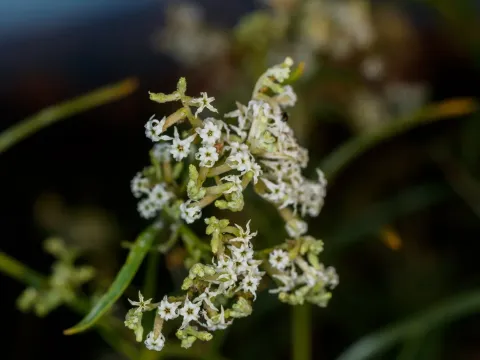
Ceballosia is a genus of plants belonging to the Boraginaceae family. It is primarily represented by the species Ceballosia fruticosa, a rare evergreen shrub endemic to the Canary Islands.
What the section contains

Ceballosia
The plant is characterized by its dense foliage and fine hair covering, which is a common trait among species in the Borage family. In its native habitat, it thrives in environments with high solar exposure and mild subtropical temperatures.
Cultivation requires well-drained, stony, or sandy soil with a neutral to slightly alkaline reaction. Ensuring a proper drainage system is critical, as the plant is highly sensitive to root asphyxiation caused by waterlogged soil.
The ideal temperature range for healthy growth is between 18 and 25 degrees Celsius. Being a subtropical plant, it does not tolerate harsh frost and requires indoor protection or a greenhouse environment in temperate climates.
Sufficient light is essential for the plant to maintain its structural integrity and vitality. Proper ventilation is also a priority when grown in controlled environments to prevent issues associated with stagnant air and humidity.
Root rot caused by fungal pathogens is the most significant threat to Ceballosia. This condition is almost exclusively linked to overwatering or the use of poorly draining soil substrates.
Spider mites are common pests that thrive in dry indoor environments, often infesting the undersides of leaves. Regular monitoring and maintaining adequate humidity levels can help manage these populations.
Aphids can target young shoots, leading to stunted growth and damage to the foliage. If an infestation occurs, horticultural soaps or targeted systemic insecticides are effective for control.
Powdery mildew may develop if the plants are exposed to poor air circulation and fluctuating temperatures. Using sulfur-based fungicides can help eradicate the fungus and protect the foliage from damage.
Overall plant health is largely maintained through proper sanitation, including the prompt removal of dead or decaying plant material. Keeping the growing area clean minimizes the risk of widespread fungal and bacterial infections.