
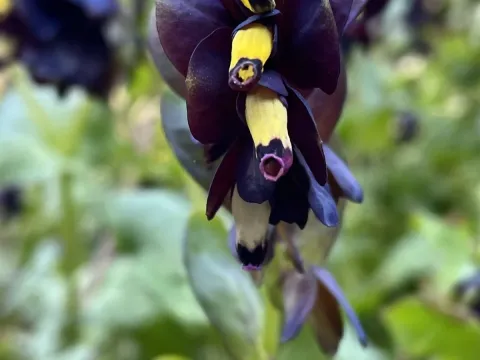
Cerinthe retorta
Cerinthe retorta
Sowing Cerinthe retorta is best performed in early spring once the soil has warmed up sufficiently, ensuring that all danger of frost has passed to prevent damage to emerging seedlings.
What the section contains
Cerinthe retorta
For growers using the greenhouse method, seeds should be sown in containers 6 to 8 weeks before the expected last frost date to ensure robust plant establishment before transplanting.
The seeds possess a relatively thick coat, which can benefit from overnight soaking in tepid water prior to planting to enhance the rate and uniformity of germination.
When sowing in open field conditions, a planting depth of approximately 1 centimeter is recommended to provide optimal coverage without hindering the emergence of the sprout.
Proper plant spacing is critical to avoid competition for resources, with recommended intervals ranging from 30 to 45 centimeters depending on soil nutrient levels and available moisture.
This species thrives in locations with full sun exposure, which is necessary for developing the characteristic blue-violet pigments in its foliage and bracts.
The ideal soil profile consists of well-drained, sandy-loam texture that prevents waterlogging while providing a stable environment for the taproot system to develop.
Cerinthe retorta demonstrates moderate drought tolerance once established, but supplemental irrigation is recommended during peak flowering stages to maximize bloom duration.
The plant performs well in soils with a neutral pH, though it is adaptable to slightly alkaline conditions often found in disturbed or well-managed agricultural settings.
Maintenance involves minimal fertilization, as high nutrient availability can lead to excessive foliage growth at the expense of floral productivity and structural integrity.
Slugs and snails present the most significant threat to young plants, often devouring succulent foliage overnight if environmental conditions are humid and cool.
Fungal pathogens such as powdery mildew can affect the plant during periods of high humidity and poor air circulation, necessitating the use of appropriate preventive measures.
Aphid infestations may occur on the tender growth tips of the plant, potentially spreading viral pathogens that can reduce the overall health and vitality of the stand.
Root system health should be monitored to prevent damping-off diseases, which are typically associated with excessive soil moisture and suboptimal drainage in the early growth phase.
Integrated pest management, including regular weeding and maintenance of optimal spacing, remains the most effective strategy for ensuring the long-term success of this crop.