
Cerinthe palaestina
Cerinthe palaestina
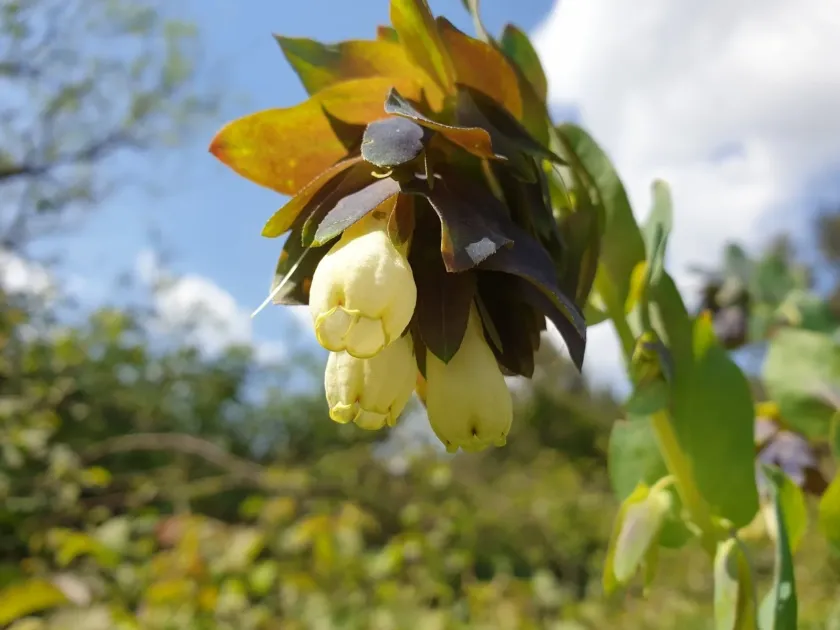
Description
Sowing dates
Cerinthe palaestina is a member of the Boraginaceae family, native to the Mediterranean basin. As an annual herb, it is well-adapted to the local seasonal patterns, growing rapidly during mild, moist periods.
Sowing should take place in early spring when the soil reaches a consistent temperature of at least 10-12°C. Seeds are sown directly into the soil at a shallow depth of 1-2 cm to facilitate uniform germination.
For greenhouse cultivation or early starts, seeds can be sown in biodegradable pots to minimize root disturbance during transplanting. The plant is sensitive to root damage and thrives when planted out early in its development.
A spacing of 30-40 cm between plants is recommended to ensure adequate airflow. Proper density helps in managing moisture levels around the foliage and reduces the incidence of soil-borne pathogens.
The transition from germination to the onset of flowering typically takes about two to three months, depending on the cumulative heat units and the amount of sunlight received.
Growing requirements
This species requires full sun exposure to maintain its characteristic morphology and color intensity. Shade-grown specimens tend to become leggy and produce fewer nectar-rich flowers.
The ideal soil for Cerinthe palaestina is well-drained and light, such as sandy loam. It possesses high natural drought tolerance, making it suitable for regions with limited rainfall after the initial establishment phase.
Water management is critical; while the plant is drought-tolerant, it requires consistent moisture during the early vegetative stage. Avoiding waterlogged soil is essential to prevent root rot.
Soil fertility requirements are relatively low. Excessive nitrogen application should be avoided as it stimulates over-abundant vegetative growth at the expense of floral quality and stem integrity.
The plant thrives in climates with distinct Mediterranean characteristics. In temperate zones, it is treated as a warm-season annual, as it is susceptible to frost and cannot survive sub-zero temperatures.
Main diseases and pests
Slugs and snails pose the most significant risk to young seedlings, particularly in the spring months. Physical barriers or organic molluscicides are often employed in field conditions.
Powdery mildew is the most common fungal disease, especially in areas with high humidity or poor air circulation. Proper thinning of the canopy and weed control are primary preventive measures.
Aphids can occasionally colonize the soft, succulent tips of the flowering stems. Regular monitoring is encouraged, and manual removal or insecticidal soap can be used if infestations become severe.
Root rot is typically associated with poor drainage and excessive irrigation. Ensuring a high-quality soil structure and proper water scheduling remains the best defense against soil pathogens.
Because the plant often serves as a beneficial habitat for pollinators, chemical control methods should be chosen with extreme care to avoid harming non-target beneficial insects.