
Coastal navelwort
Omphalodes littoralis
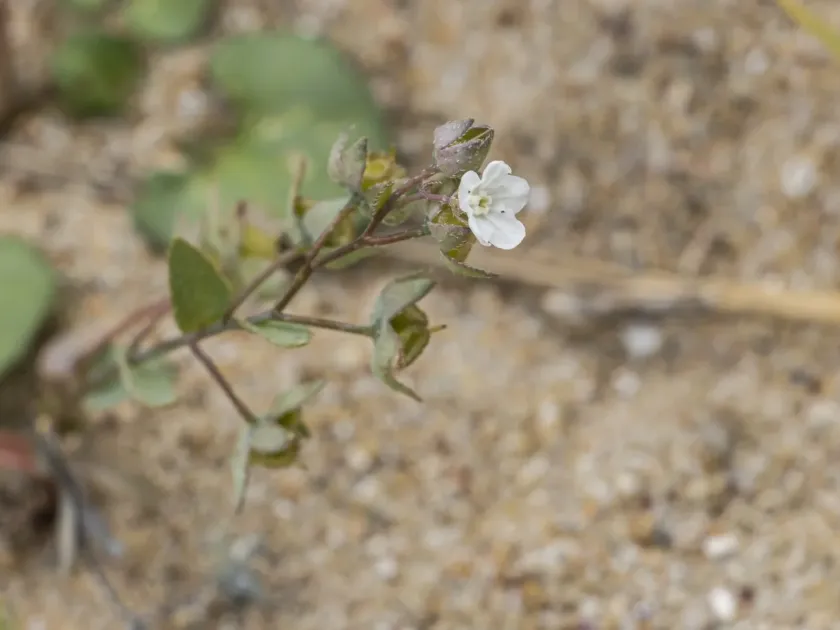
Description
Sowing dates
Sowing seeds of Coastal navelwort is ideally performed in the autumn, allowing the cold winter period to naturally stratify the seeds for better germination.
If spring planting is preferred, seeds must be pre-chilled in a refrigerator for several weeks to simulate the natural cycles required for awakening.
Surface sowing or very light soil coverage is recommended because the seeds require adequate light exposure to initiate the germination process successfully.
When using seed trays, maintain a cool and well-ventilated environment to prevent fungal damping-off, which is common in confined propagation settings.
Young seedlings should be transplanted into their permanent locations once the risk of heavy frost has passed, ensuring proper spacing for ground coverage.
Growing requirements
Coastal navelwort belongs to the Boraginaceae family and is naturally adapted to sandy soils found along coastal dune ecosystems.
The soil must be exceptionally well-draining; heavy or clay-based soils are unsuitable and can lead to the rapid decline of the plant’s health.
This species thrives in full sun exposure, which is necessary to maintain its compact growth form and to support vigorous, vibrant flowering.
Maintaining consistent moisture levels is vital during the establishment phase, though the soil should never become waterlogged or stagnant.
It prefers a temperate climate and is well-suited for coastal gardens where soil salinity and air humidity remain within moderate, natural ranges.
Main diseases and pests
Excessive soil moisture is the primary cause of root rot, often occurring during periods of high precipitation if the drainage is insufficient.
Fungal issues like powdery mildew may arise if the planting site lacks proper airflow or if the plants are placed too close together.
Gastropods such as slugs and snails are frequent pests that target the foliage, especially in environments with high humidity or frequent irrigation.
Aphids can occasionally cluster on the flower stalks, potentially stunting growth and requiring the use of mild horticultural soaps for control.
Cultural practices such as clean cultivation and thinning out overly dense patches are the most effective ways to prevent major pest and disease outbreaks.