
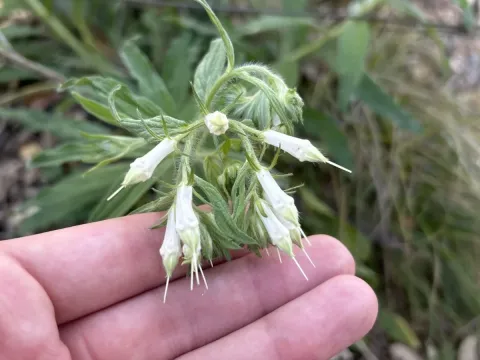
Carolina gromwell
Lithospermum caroliniense
Carolina gromwell (Lithospermum caroliniense), a member of the Boraginaceae family, is a perennial herbaceous plant recognized for its deep taproot system. For successful germination, seeds require a period of cold stratification, making late autumn the ideal time for sowing directly into the field.
What the section contains
Carolina gromwell
If spring planting is planned, seeds must undergo artificial stratification by chilling them at temperatures between 1–5 degrees Celsius for approximately two to three months. This treatment breaks seed dormancy and ensures a higher germination rate across the planting area.
The sowing process should involve row planting with spacings of 45 to 60 centimeters, providing sufficient air circulation and light exposure for the young plants. Seeds should be sown at a shallow depth of 1–2 centimeters to avoid emergence failure due to excessive soil pressure.
Once seedlings have established, thinning is necessary to achieve a plant density of approximately 30 centimeters between individuals. This spacing promotes robust development of the foliage and reproductive structures in subsequent growing seasons.
Growth is notably slow during the first year, which necessitates strict weed control measures. Agronomists recommend using organic mulch in the early stages to suppress weed competition while preserving soil moisture levels.
This crop thrives in open, sunny environments and is highly adapted to sandy or loamy soils. Excellent drainage is the most critical requirement for the species, as stagnant water is detrimental to its long-term survival and health.
Carolina gromwell exhibits remarkable drought tolerance, making it a viable candidate for agricultural systems in semi-arid regions. While it can grow in low-fertility soils, light application of balanced fertilizers can enhance productivity in commercial cultivation scenarios.
Soil pH should ideally be in the neutral to slightly acidic range. Alkaline soils can induce nutrient deficiencies, specifically chlorosis, which hinders the photosynthetic efficiency and overall vigor of the crop.
The climate requirement is primarily defined by temperate conditions with clear seasonal transitions. The plants are hardy, but in areas prone to severe, snowless winters, some level of ground protection is recommended to insulate the roots and prevent frost heave.
Field management should prioritize soil aeration; using cultivators to break the surface crust after heavy rainfalls ensures optimal root zone health and helps maintain the high standards required for industrial crop quality.
The primary threats to the health of the crop are fungal pathogens, particularly root rot, which are often exacerbated by poor drainage and waterlogged conditions. Preventive site selection is the most effective defense against these persistent issues.
Pests such as aphids and leaf-eating beetles can occasionally impact the crop during the active vegetative growth phase. Monitoring programs should be established to detect early infestations and implement biological control methods before significant damage occurs.
Powdery mildew can become a concern in areas with high humidity and poor air circulation. To manage this risk, it is essential to ensure adequate plant spacing and perform regular field inspections during the humid summer months.
Weed infestation is a major limiting factor for productivity, especially in the first season. A robust integrated pest management (IPM) plan should include both mechanical weeding and potentially the use of selective mulching to minimize chemical reliance.
Small mammals and rodents may target the taproots during the winter season, potentially causing severe plant loss. Maintaining clean field borders and using preventive barriers can help protect the crop integrity throughout the year.