
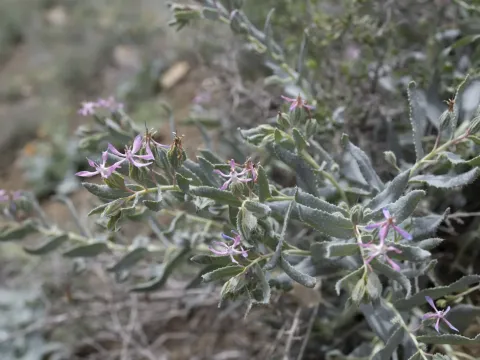
Caccinia macranthera
Caccinia macranthera
Caccinia macranthera is a distinct herbaceous perennial belonging to the Boraginaceae family. It is recognized for its unique botanical structure, featuring a basal rosette of leaves and a robust root system capable of tapping deep soil water sources.
What the section contains
Caccinia macranthera
The plant originates from arid and semi-arid regions of the Middle East, primarily Iran and Iraq. Its evolutionary history has endowed it with remarkable physiological adaptations to thrive in harsh, rocky environments with limited moisture.
Agronomic requirements emphasize the necessity of well-drained, sandy, or rocky soils. It is critical to select sites with full sun exposure, as the plant is highly photophilous and requires significant solar energy for the production of its medicinal metabolites.
Temperature management is largely passive, as the plant is evolved to withstand significant thermal fluctuations. However, in an agricultural setting, maintaining proper soil aeration is more important than irrigation frequency to ensure root health.
The primary utility of this crop lies in its pharmaceutical profile. It is traditionally harvested for its antitussive and anti-inflammatory properties, making it a subject of interest for specialized herbal production and botanical research.
Pathogenic threats are primarily fungal, with root rot being the most prevalent issue when cultivation occurs in soils that are not sufficiently permeable.
Insect pests such as aphids and spider mites represent the most common biological stressors that can reduce the vigor of the plant during the early growth stages.
Integrated Pest Management (IPM) strategies are recommended to maintain the quality of the harvested medicinal material, prioritizing low-toxicity interventions.
Weed control is essential during the plant establishment phase to prevent competition for limited soil nutrients, which can otherwise lead to stunted growth.
Monitoring for signs of chlorosis or leaf curling helps in early detection of nutritional deficiencies or potential pest infestations, allowing for timely management.