
Cerinthe
Cerinthe
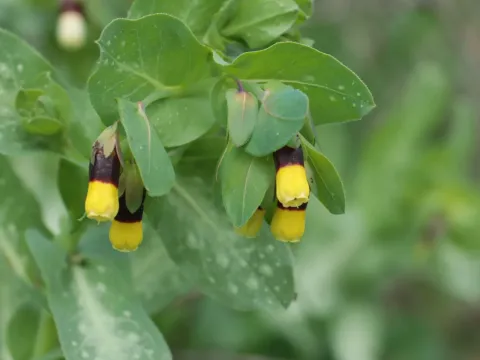
Cerinthe, commonly known as honeywort, is a genus of plants belonging to the Boraginaceae family. Its most notable agricultural and horticultural representative is Cerinthe major, recognized for its glaucous foliage and nectar-rich flowers.
What the section contains
Cerinthe
Sowing in open fields should be scheduled for late spring, once the soil has warmed sufficiently. Seeds should be placed at a depth of approximately 1 to 2 cm to ensure optimal germination and protection from surface drying.
In regions with shorter growing seasons, starting plants indoors is recommended. Seeds should be sown in individual pots in March, as the plant possesses a significant taproot and is susceptible to transplant shock if roots are disturbed.
Proper plant spacing is vital for the health of Cerinthe. A distance of 30–40 cm between plants prevents overcrowding, which is essential to maintain good air circulation and prevent the development of fungal diseases.
Germination typically occurs within two weeks under favorable temperatures. Providing consistent moisture during the seedling stage is critical for establishing a strong root system before the onset of summer heat.
Cerinthe thrives in locations with full sun exposure. While it can tolerate partial shade, insufficient light often results in leggy growth, loss of the characteristic blue-grey coloration of the leaves, and reduced nectar yield.
The ideal soil for this crop is fertile, well-draining, and rich in organic matter. Avoid heavy clay soils where moisture persists, as stagnant water is the primary cause of root rot in this species.
The plant prefers a neutral to slightly alkaline soil pH (around 6.0–7.0). In acidic soil conditions, amending with lime is recommended to ensure the plant can efficiently absorb necessary nutrients.
Watering should be managed to keep the soil consistently moist but not waterlogged. Once established, Cerinthe shows moderate drought tolerance, but regular irrigation is necessary to prolong the flowering season.
Cerinthe is not frost-tolerant. In most agricultural settings, it is managed as an annual crop. It requires warm growing conditions to reach its full productive potential as a nectar source.
The primary economic and agricultural value of Cerinthe lies in its function as a high-quality honey plant. The flowers are highly attractive to bees and bumblebees, significantly enhancing pollination efficiency for adjacent crops.
The nectar production remains consistent throughout the long flowering period, which spans from early summer until the first frost. This provides a steady, reliable food source for pollinators in an agricultural environment.
Biologically, the plant produces significant biomass that can improve soil structure. When incorporated into the soil, it acts as a green manure, although its primary purpose in farming is almost exclusively for supporting pollinator populations.
When evaluated as a floral crop, its yield is determined by the density of the inflorescences. A well-managed stand produces numerous stems, creating a prolific display of nectar-filled blooms that maximize visitation rates by beneficial insects.
Seed yield is naturally high. Seeds are produced in dark, nutlet-like capsules. Harvesting should be timed carefully before natural dispersal occurs if the farmer intends to collect seeds for the following season.
Slugs and snails are the most significant pests for young Cerinthe plants. They can consume seedlings overnight, especially during humid weather conditions, necessitating the use of protective barriers or baiting.
Powdery mildew represents the most frequent fungal threat, particularly in dense plantings with poor airflow. Maintaining recommended plant spacing and ensuring the site has good drainage are the best preventative measures.
Root rot is a physiological threat driven by over-irrigation. Ensuring that the planting site has an excellent drainage profile is crucial to mitigating the risk of soil-borne pathogens attacking the root system.
Aphids may colonize the tender tips of young growth. While they are usually a secondary pest, heavy infestations can weaken the plant and reduce its nectar secretion, requiring targeted, eco-friendly insecticide applications if necessary.
In summary, Cerinthe is a relatively robust crop when placed in a suitable environment. Most threats are easily managed through proper site selection and adherence to standard agronomic spacing practices.