
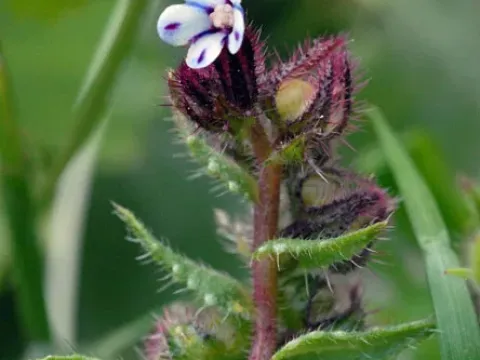
Variegated Alkanet
Anchusa variegata
Variegated Alkanet (Anchusa variegata) is an intriguing herbaceous plant belonging to the Boraginaceae family. It is distinguished by its unique foliage, which adds a decorative texture to any floral arrangement or garden border.
What the section contains
Variegated Alkanet
The sowing process typically begins in early spring. Seeds should be sown in prepared, well-draining soil once the threat of frost has passed. Starting plants in seedling trays indoors can provide a head start, ensuring stronger plants by the time they are moved outdoors.
Seeds need to be covered with a thin layer of soil, as light levels play a role in their germination success. Keeping the seedbed consistently moist, but not waterlogged, is essential for the first two weeks until the seedlings become established.
Thinning is a crucial step for this species. Once the young plants develop their first few true leaves, they should be spaced approximately 30 to 40 centimeters apart to allow for proper airflow, which is a key factor in preventing foliage diseases.
As the plant matures, it develops a robust root system. Proper initial spacing ensures that the plants do not compete for nutrients or sunlight, allowing the characteristic variegation of the leaves to develop fully under optimal environmental conditions.
This crop thrives in sunny locations where it can receive direct light for most of the day. Exposure to full sun is necessary to maintain the vibrant variegated pattern on its foliage; shade often leads to a decrease in the intensity of the leaf coloration.
The soil requirements for Anchusa variegata center on good drainage. It prefers sandy or loamy soils with a neutral pH level. In heavy clay soils, the addition of organic matter or gravel is highly recommended to improve aeration and prevent root rot.
Watering should be balanced. While the plant can withstand short periods of dry weather, consistent moisture during the growing phase promotes healthier growth. Overwatering must be avoided, as stagnant water is the primary cause of decline for this species.
Nutrient management should be moderate. High levels of nitrogenous fertilizers are discouraged, as they encourage rapid vegetative growth at the expense of the leaf pattern and overall structural integrity of the plant. A balanced, slow-release fertilizer is ideal.
The plant is generally adaptable to temperate climates. However, in regions with severe winter freezes, it is advisable to provide a layer of mulch or protective covering to preserve the root crown and ensure vigorous regrowth in the following spring season.
The most significant threats to Variegated Alkanet include fungal infections such as powdery mildew, which often appears when humidity levels remain high for extended periods. This condition thrives when plants are crowded or when airflow is insufficient.
Pests like aphids and spider mites can infest the foliage, particularly during warmer, drier months. Aphids typically cluster on the undersides of leaves or on new growth, while spider mites cause stippling and discolouration of the leaves due to sap-sucking activity.
Integrated pest management, involving the use of eco-friendly insecticidal soaps or neem oil, is effective against most common pests. It is best to inspect plants regularly and treat them at the first sign of infestation to prevent widespread damage.
Fungal issues are best managed through cultural practices. Ensuring the base of the plant remains clean and avoiding overhead irrigation can significantly lower the risk of pathogens settling on the leaves. Removal of infected plant matter is essential for hygiene.
Overall plant health is highly correlated with good site selection and maintenance. By removing competing weeds and debris regularly, the gardener reduces the potential for diseases to overwinter, thereby maintaining a healthy growing environment for the next cycle.