
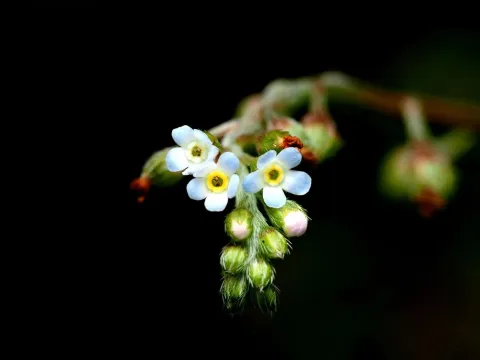
Trigonotis
Trigonotis
Sowing of Trigonotis in temperate climates is typically carried out in spring, as soon as the soil warms up to a temperature of 10-12 degrees Celsius. For early flowering, seeds can be sown indoors in greenhouses or nursery flats in March.
What the section contains


Trigonotis
Seedlings should be transplanted to the open ground after the threat of night frosts has passed, usually in late May. Proper spacing is essential to ensure adequate airflow and prevent diseases in dense plantings.
The seeds of this plant have moderate germination rates, so stratification is highly recommended to improve emergence. Sowing should be shallow, as the small seeds require light to trigger the germination process.
Winter sowing allows seeds to undergo natural stratification, often leading to more vigorous growth in spring. However, this method is only suitable for regions with reliable snow cover to protect the seeds from extreme freezing.
To establish dense ornamental ground cover, seeds should be sown at a high density, following specific guidelines for each species. Maintaining consistent soil moisture during the germination phase is critical for success.
Trigonotis is a member of the Boraginaceae family that prefers semi-shaded or shaded areas. Direct sunlight can cause leaf scorching and stunted growth, particularly in warmer southern latitudes.
The plant has high moisture requirements, making it an excellent choice for areas with high water tables or along the banks of water features. Prolonged drought conditions can be fatal to the crop.
The soil should be rich in organic matter, loose, and well-drained. Heavy clay soils should be amended with sand or compost to improve oxygen accessibility to the roots, as the plant dislikes heavy, compacted ground.
The optimal soil pH range for Trigonotis is from slightly acidic to neutral. While the plant thrives in moist environments, it is sensitive to waterlogging, which can cause significant physiological stress.
During the active growing season, the crop benefits from regular applications of complex mineral fertilizers. Two applications per season are generally sufficient to maintain a healthy and lush appearance.
The primary threats to Trigonotis are fungal infections that thrive in high humidity and stagnant air. Powdery mildew can affect the foliage if there are sharp temperature fluctuations or poor ventilation.
Root rot is a common result of water accumulation in the root zone. Effective prevention includes following a disciplined watering schedule and ensuring proper drainage during the planting phase.
Snails and slugs are common pests that feed on the succulent leaves of the plant, especially during wet weather. Control measures involve the use of organic molluscicides or manual removal from the garden beds.
Aphids may infest young shoots during the flowering period, depleting the plant of vital sap and weakening its overall structure. Treatment with systemic insecticides is advised at the first signs of infestation.
To reduce disease risk, it is recommended to avoid overcrowding the plants. Consistent weeding also helps decrease pest habitats and improves aeration in the soil surrounding the plant colonies.