
Virginia bluebells
Mertensia virginica
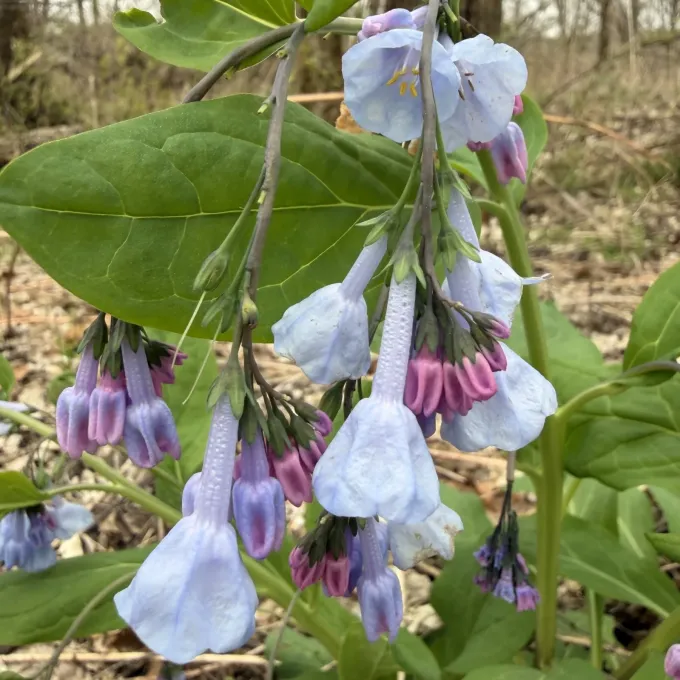
Description
Sowing dates
Virginia bluebells, a member of the Boraginaceae family, are typically propagated via seeds or division of the root system. Sowing seeds outdoors in late autumn allows for the natural stratification period required for germination, mimicking their natural forest floor habitat.
If you prefer to start seeds in spring, artificial stratification is necessary. Place seeds in a moist medium in the refrigerator for 4 to 6 weeks before sowing; barely cover them with soil, as they require a small amount of light to initiate the germination process.
Vegetative propagation is achieved by dividing established clumps. The best time to perform this task is in early spring just as growth begins, or in autumn when the plants enter their dormant phase. Ensure that each division contains healthy roots to facilitate successful establishment.
Space your plants or divisions approximately 30 to 40 centimeters apart. Proper spacing is essential for air circulation and allows the plant to form a lush, dense carpet of foliage before it naturally retreats during the heat of the summer.
Once planted, water the area thoroughly and apply a layer of organic mulch. This helps maintain soil moisture, which is critical for the growth cycle of these ephemeral plants during the early months of the year.
Growing requirements
Native to moist woodlands in North America, Virginia bluebells thrive in conditions that replicate a forest ecosystem. They perform best in partial to full shade, especially in environments protected from the intense, drying afternoon sun.
The ideal soil for this species is rich, humusy, and well-drained with a neutral to slightly acidic pH. While they love moisture, they do not tolerate waterlogged conditions, which can lead to rapid rot of their fleshy, sensitive roots.
As a classic spring ephemeral, the plant has a unique life cycle. It emerges in early spring, produces beautiful clusters of blue bell-shaped flowers, and then the entire above-ground portion dies back by mid-summer, signaling its entry into dormancy.
These plants are extremely cold-hardy and easily survive winter in most temperate zones. During extreme cold without snow cover, a light layer of leaf mulch is beneficial to insulate the ground and protect the dormant rhizomes.
Generally, Virginia bluebells do not require heavy fertilization. An application of compost or leaf mold in early spring provides sufficient nutrients to fuel their brief but spectacular period of active growth and bloom.
Main diseases and pests
Virginia bluebells are relatively resistant to major pests and diseases. However, in poorly ventilated or excessively damp conditions, powdery mildew may appear on the foliage toward the end of the spring season.
Root rot is the most significant threat to the health of the plant. This condition is almost exclusively caused by heavy, compacted soils or standing water; improving drainage before planting is the primary preventative measure.
Slugs and snails can be problematic, particularly for young emerging shoots. Using physical barriers, such as copper tape or crushed eggshells, can help protect the plants from these garden pests during the early growing stages.
Aphids are rarely a significant concern for established colonies. If an infestation occurs, manual removal or a mild insecticidal soap is typically effective, though treatments should be timed to avoid harming pollinators visiting the flowers.
Maintaining a clean, weed-free environment is important for the early success of the plants. Since Virginia bluebells are slow to establish, keeping them free of aggressive weeds ensures they receive all available resources during their limited growing window.