
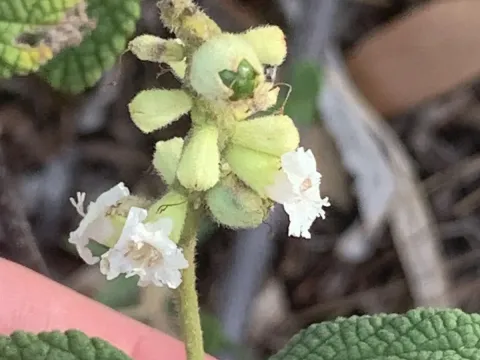
Varronia
Varronia
Varronia is a genus of flowering plants belonging to the Boraginaceae family. These plants are native to tropical regions of the Americas and thrive in warm, stable climates.
What the section contains


Varronia
The sowing process typically begins at the onset of the rainy season to ensure sufficient moisture for germination. Seeds may require scarification to break dormancy and improve the overall uniformity of the crop.
A well-draining substrate with a neutral pH is essential for success. During the initial growth phase, maintaining a soil temperature between 22 and 26 degrees Celsius is recommended for optimal development.
Seedlings are delicate and benefit from partial shade during the first few weeks after emergence. Careful spacing is vital to ensure that each plant receives enough light without excessive competition for nutrients.
Transplanting into the permanent field site should be performed once the plants have developed a sturdy root system and reached a height of at least 15 centimeters.
Varronia requires bright, sunny locations with protection from strong winds. The plant is sensitive to frost and extreme cold, necessitating a tropical or subtropical environment for successful long-term cultivation.
The ideal soil is fertile, sandy-loam, and possesses excellent drainage properties. Standing water will cause root damage, so choosing an appropriate planting site or raised bed is a critical agricultural decision.
Consistent watering is necessary, especially during dry spells, but one must avoid saturating the ground. Implementing a balanced irrigation schedule based on the plant's growth stage is standard practice.
Applying organic fertilizers during the vegetative phase promotes healthy leaf production. It is important to monitor soil nutrient levels and adjust feeding regimes to prevent excessive vegetative growth at the expense of flowering.
Mulching the base of the plants helps regulate soil moisture and temperature while simultaneously suppressing weed growth around the plant base.
The yield of Varronia focuses on harvesting leaves and fruits, which are utilized for medicinal and artisanal purposes. Harvest timing is crucial, as the potency of plant compounds changes throughout the season.
Regular pruning is an effective method to manage plant size and improve the density of harvestable material. By removing dead or unproductive branches, the plant diverts more energy to healthy growth.
Depending on the variety and management practices, the plant can yield multiple harvests within a single growing cycle. Careful monitoring allows growers to maximize production without exhausting the plant.
Post-harvest handling is critical to preserve the quality of the raw material. Ensuring the plant parts are dried or processed promptly prevents spoilage and maintains their chemical integrity.
Assessing the overall crop performance requires reviewing climatic data, as fluctuations in temperature and humidity levels directly impact the annual yield of Varronia plantations.
The primary threats to Varronia are fungal diseases, such as powdery mildew and root rot, which thrive in high-humidity conditions. Maintaining proper airflow is the most effective preventative measure.
Pests like aphids and spider mites frequently target the succulent growth of the plant. A proactive monitoring program allows for early intervention before pest populations reach damaging levels.
Integrated Pest Management (IPM) strategies, including the use of biological control agents, are recommended to maintain ecological balance in the field. Chemical treatments should be used as a last resort.
Maintaining high plant immunity through proper nutrition and stress management is essential to reduce susceptibility to infections. Healthy plants are better equipped to withstand minor pest pressure.
Removing and destroying infected plant debris immediately helps prevent the spread of pathogens to healthy crops, ensuring the longevity and productivity of the field.