
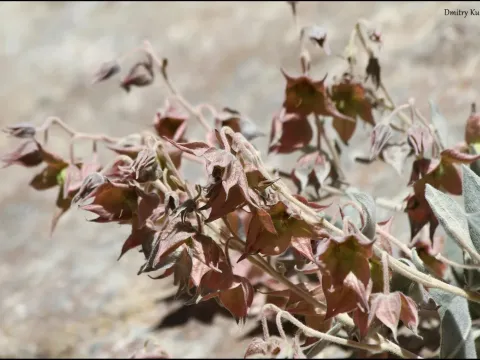
Trichodesma incanum
Trichodesma incanum
Trichodesma incanum is a highly persistent perennial weed known for its aggressive reproductive capabilities via both seeds and an extensive root system. New shoots typically emerge in early spring from buds located on deep-seated roots, sometimes reaching depths of over one meter.
What the section contains
Trichodesma incanum
The seeds of this species exhibit remarkable longevity in the soil, often remaining viable for many years. This dormancy makes long-term field management and strict crop rotation essential for reducing the seed bank.
The vegetative period of the plant spans the entire warm season, reaching peak growth intensity during mid-summer. It spreads rapidly, forming dense patches that completely displace cultivated plants in infested areas.
Effective control requires systematic root cutting, which exhausts the plant's energy reserves. Cultivation practices should be synchronized with the plant's developmental stages to ensure maximum depletion of its nutrient stores.
Because of its exceptional regeneration ability, relying on a single method is rarely sufficient. A combination of mechanical tillage and selective herbicide applications is necessary for effective population reduction.
Trichodesma incanum, a member of the Boraginaceae family, is well-adapted to arid steppe climates. It is highly undemanding regarding soil type, showing successful growth in varied environments ranging from heavy loams to saline or alkaline soils.
Thanks to a deep taproot system, the plant demonstrates superior drought tolerance, accessing water from soil layers unavailable to most commercial crops. This biological advantage makes it a formidable competitor in regions prone to moisture deficits.
The plant thrives under full sunlight, making open crop fields highly susceptible to infestation. While extreme shading can somewhat hinder its growth, the plant maintains its invasive potential even in partially shaded environments.
Temperature extremes are not a limiting factor for this species; it withstands heatwaves and significant daily temperature fluctuations with ease. Its ecological plasticity allows it to dominate landscapes where sensitive crops struggle to survive.
Tolerance to soil salinity is another defining feature of the plant, enabling it to colonize degraded lands where traditional agricultural efforts are already limited by poor soil quality.
Trichodesma incanum is a known allelopathic weed that releases chemical compounds into the soil, significantly inhibiting the growth and development of adjacent crops. This chemical interference often leads to substantial yield reductions.
The weed acts as an important reservoir for various plant viruses and fungal diseases. Pests inhabiting these weeds often migrate to cultivated crops, increasing the overall phytosanitary burden on the agricultural field.
Beyond crop competition, the plant poses a significant toxicity risk to livestock. The green parts contain alkaloids that are harmful if ingested by cattle or horses, potentially leading to poisoning and serious health complications.
Resource competition is a major threat, as the weed rapidly consumes nutrients and soil moisture that are vital for the main crop's development. This leads to stunted growth and reduced crop quality across the infested area.
Proactive monitoring and immediate intervention are critical when the plant is first detected in a new area. Its ability to spread makes it a significant management challenge that requires constant vigilance from agronomic personnel.