
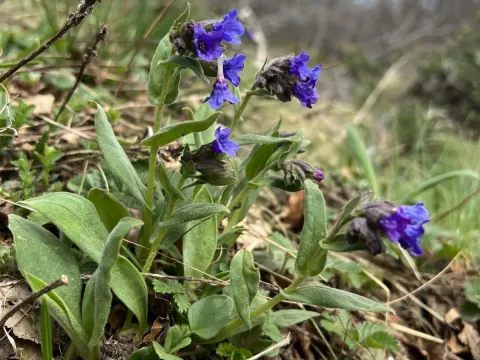
Visiani's lungwort
Pulmonaria visianii
Visiani's lungwort (Pulmonaria visianii) is a perennial herbaceous plant belonging to the Boraginaceae family. Native to the Balkan Peninsula, this species is well-adapted to cool, forest environments.
What the section contains
Visiani's lungwort
This plant thrives in shaded areas where it is protected from intense afternoon sun. It prefers fertile, humus-rich, and well-draining soils that maintain consistent moisture levels throughout the growing season.
Agricultural practices for this crop focus on providing a stable environment. Mulching is highly recommended to keep the root zone cool and moist, mimicking the natural woodland habitat of the plant.
Botanically, it is distinguished by its heart-shaped foliage and long-lasting flowers. The plant begins blooming in early spring, showcasing vibrant colors that shift through hues of pink and violet as they mature.
In terms of agricultural and landscape use, it is a highly valued ornamental plant. It is frequently employed in shady garden borders, woodland plantings, and as a groundcover that requires minimal maintenance once established.
The most common disease affecting this species is powdery mildew. This fungal infection typically occurs in humid conditions with poor air circulation, leaving a white powdery layer on the leaves.
Root rot is another significant concern that usually stems from waterlogged soil. Proper soil preparation and the installation of a drainage system are essential to prevent this lethal condition for the plant.
Slugs and snails are the primary pests that damage the lush foliage of the lungwort. Their activity increases during damp weather, often necessitating protective measures to preserve the aesthetic value of the plants.
Aphids may also appear on the stems, particularly during the early stages of the growth cycle. If left unchecked, these insects can weaken the plant and reduce its overall vitality and flowering potential.
Consistent maintenance, including the removal of dead foliage after the blooming season and keeping the planting area free of debris, is the best strategy for managing and preventing potential plant threats.