
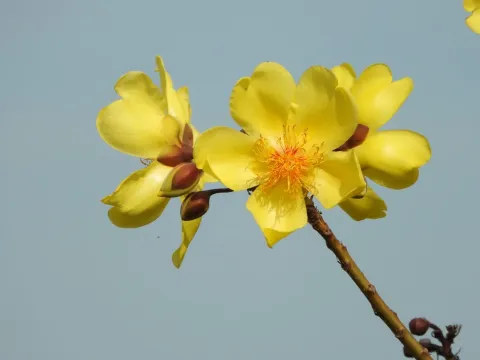
Cochlospermum vitifolium
Cochlospermum vitifolium
Cochlospermum vitifolium belongs to the Bixaceae family and is a deciduous tree or shrub that typically grows between 5 to 12 meters in height.
What the section contains
Cochlospermum vitifolium
Originating from the tropical regions of Central and South America, it thrives in dry forests and exposed areas with plenty of natural sunlight.
The plant requires full sun exposure to maintain its vigorous growth rate and to produce the spectacular, bright yellow flowers it is famous for.
Regarding soil preferences, it favors well-drained, fertile substrates that prevent waterlogging, which is essential for healthy root development.
While the tree is known for its tolerance to drought, consistent moisture during the growing season significantly enhances its visual performance and growth rate.
Propagation is typically managed through seeds sown in a warm greenhouse environment, ensuring a stable temperature range for optimal germination.
Seeds should be scarified or soaked in water for 24 hours prior to planting to ensure even emergence and higher success rates in the seedbed.
A light, well-aerated soil mix is required for the initial stage, with shallow sowing depths of 1–2 centimeters to allow for proper oxygenation.
Young plants require careful attention during the transition phase, needing gradual exposure to direct outdoor sunlight to avoid foliage burn.
Regular monitoring of moisture levels is crucial during the early stages, as the seedlings are quite sensitive to both dehydration and excessive wetness.
The primary use of Cochlospermum vitifolium is in ornamental landscaping, where it is utilized for its dramatic floral displays and aesthetic trunk structure.
Its large, rose-like yellow flowers make it a preferred species for botanical gardens and urban landscape projects in tropical climates.
In certain traditional practices, various parts of the plant have been utilized, but its primary current role remains strictly decorative and horticultural.
Pruning is an essential maintenance task performed after the blooming season to encourage denser branch growth and a more desirable silhouette.
The tree provides excellent shade, making it a valuable addition to parks and residential garden spaces in warmer geographic locations.
The plant is generally resilient but may suffer from root rot if drainage is inadequate or if there is standing water around the base of the trunk.
Pests such as spider mites and mealybugs can occasionally infest the foliage, particularly during extended dry spells or periods of low humidity.
Integrated pest management strategies, including the use of neem oil or systemic insecticides, are effective in controlling common infestations.
Maintaining proper spacing between plants is recommended to ensure adequate air circulation, which helps prevent the development of fungal spores.
Regular inspections of the leaves and stems allow for the early detection of issues, ensuring that the plant remains healthy and visually appealing year-round.