
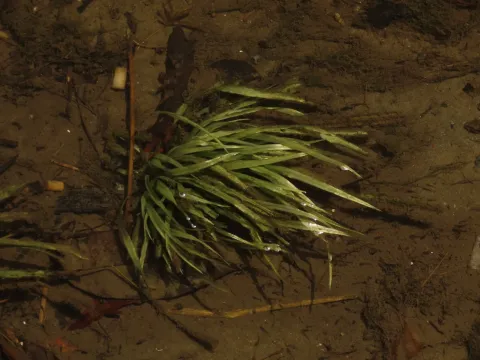
Blyxa lancifolia
Blyxa lancifolia
Blyxa lancifolia is a member of the Hydrocharitaceae family, known for its distinct lanceolate leaves and compact rosette growth habit. It is naturally found in the tropical freshwater ecosystems of Asia.
What the section contains
Blyxa lancifolia
This hydrophyte species is highly valued for its ability to create dense, vibrant foreground or midground clusters in aquatic environments. It features a short stem with numerous leaves radiating from the center, which requires space to develop properly.
Optimal growth conditions require high light intensity and stable water parameters. A temperature range between 22°C and 28°C is ideal for maintaining the physiological functions of this species.
The substrate must be rich in macro and micronutrients to support its extensive root system. Agronomic management involves consistent CO2 injection and weekly fertilization to prevent stunted growth and nutrient deficiencies.
In terms of хозяйственное (utility) use, the plant serves as a vital component in freshwater aquascaping. It aids in water purification by absorbing excess nitrogenous waste, thereby improving the overall health of the ecosystem.
The primary threat to the health of Blyxa lancifolia is the proliferation of invasive algae such as hair algae. These compete for essential light and minerals, often leading to the suffocation of the plant's delicate foliage.
Nutrient imbalances, particularly low iron levels, frequently cause chlorosis. This physiological disorder manifests as yellowing of the leaves, which significantly reduces the photosynthetic efficiency of the plant.
Pests such as certain snail species can cause mechanical damage to the leaves. These lesions can act as entry points for bacterial or fungal infections, which may eventually lead to root rot if not addressed.
Poor substrate aeration represents a major risk factor. Compacted substrate hinders root respiration and can lead to the accumulation of toxic gas bubbles, causing irreversible damage to the root system of the plant.
Regular maintenance, including careful pruning of old leaves and consistent monitoring of chemical parameters, is essential for disease prevention. Maintaining a stable environment is the best defense against environmental stress and pathogens.